Lynnhaven
A pitch deck for the film by Kenneth Maitland
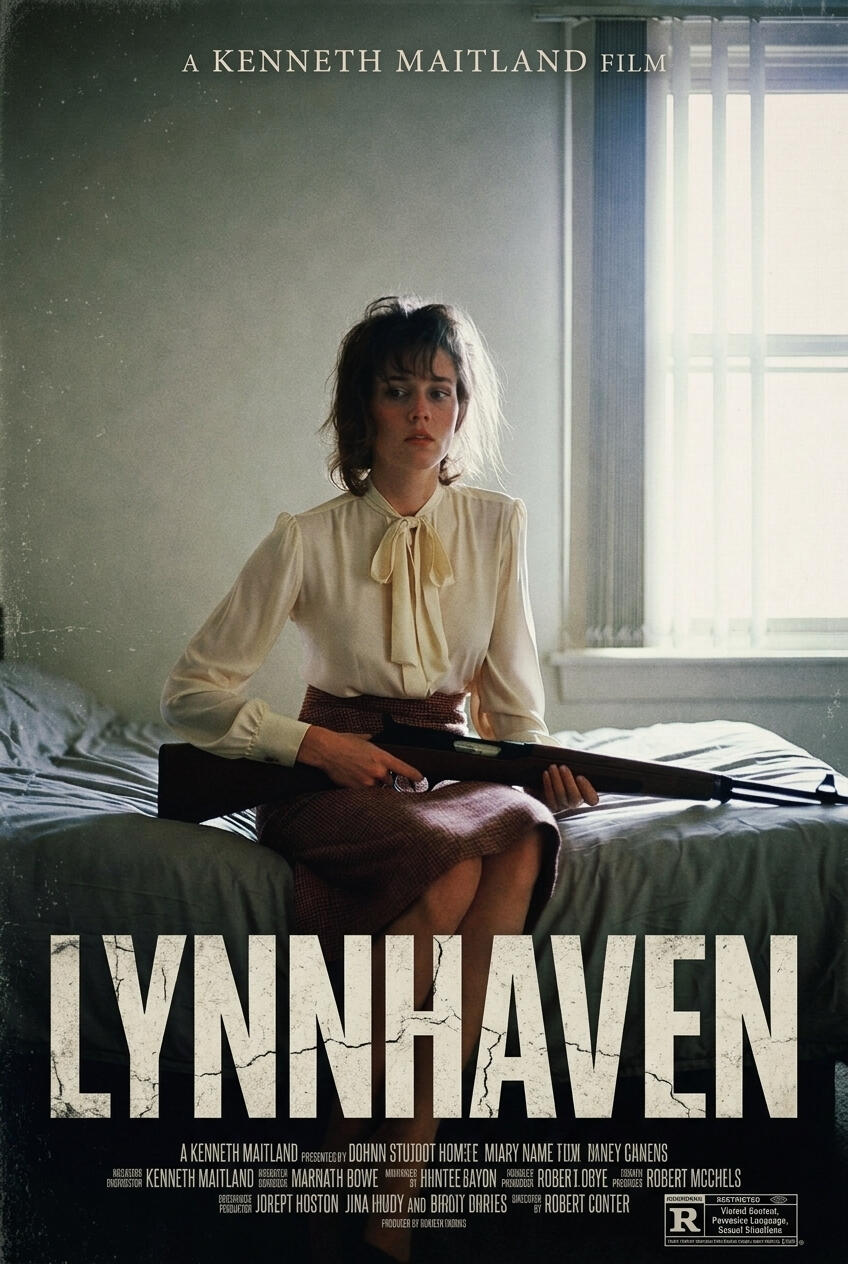
Logline
A pill-addled, professionally reckless young doctor, assigned to a public housing complex in the early 1980s, must make an unthinkable choice when a 10-year-old boy confesses to her his “accidental” killing of an elderly neighbor.Format
90-minute featureGenre
Dark comedy/crimeMPA Rating
R - for language, drug use, themesWriter-Director
Kenneth Maitland
kennethjmaitland [@] gmail.comSynopsis
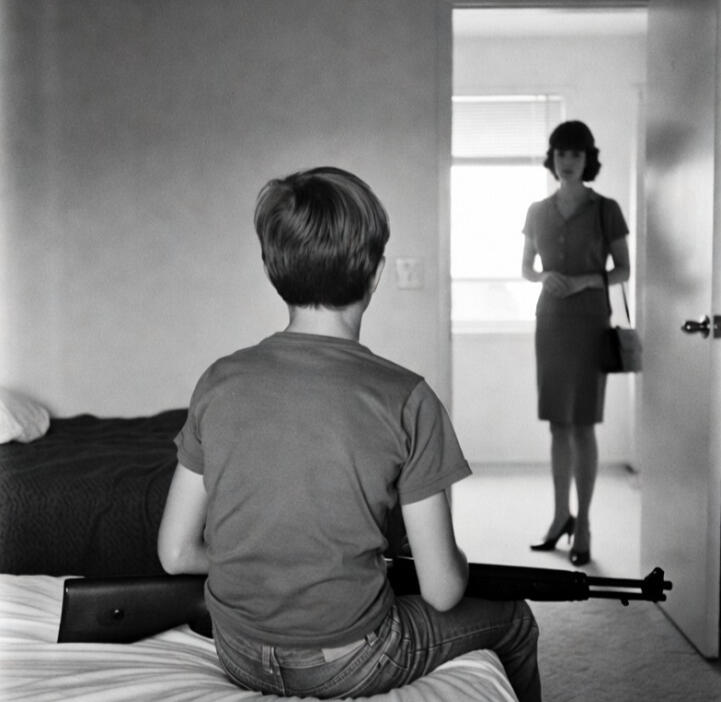
Set against the stark backdrop of the newly constructed Lynnhaven Housing Complex in the spring of 1983, the story follows a pill-popping, pleasure-seeking young doctor who drifts through her professional duties by ignoring her pager, filching prescription meds, and nimbly dodging the bureaucratic demands of “the City,” her employer.The doctor’s carefree lifestyle is upended, however, when she discovers Waylon “Wag” Williams, an enigmatic 10-year-old boy holed up in an empty apartment with a .22 rifle and a chilling confession: he’s shot and killed an elderly widow, DeeDee Watts, while she was alone in a neighboring apartment.As the residents of Lynnhaven depart for DeeDee’s funeral, believing she died of natural causes (as the shooting has left no obvious mark on the victim’s body), the doctor and the boy retreat into a tense, secluded standoff.While the boy insists she call 911 and report his crime—which would make him, in his mind, a “famous” killer—the doctor paradoxically begins orchestrating an elaborate coverup, trying, against the boy’s wishes, to shield him from the consequences of his actions.But the doctor must hurry, since the seclusion necessary for her plan to work will be shattered when the residents of Lynnhaven return from DeeDee’s funeral. (“Ticking clock.”)The narrative blends Hitchcockian suspense with offbeat comedy, blurring the line between the young woman’s roles as confessor and criminal accomplice.As she navigates external pressures—colorful episodes involving her corporate toady boyfriend, her forensic pathologist father, a flirtatious married colleague (and his wife), weird patients, and the passive-aggressive oversight of local government minders—the doctor must confront her own professional and moral irresponsibility.The screenplay was a winner of the 2024 Virginia Film Office's Screenwriting Award. Script and actor sides available on request.Role Highlights
The Doctor. She is a complex, multi-layered hero, intelligent but deeply flawed, functioning on a steady diet of prescription meds and evasive maneuvers. Throughout the story she shifts across a range of psychological response: deadpan cynicism, petty aggravation, seductive mischief, professional competition, genuine tenderness, and sudden terror.The Boy (Waylon “Wag” Williams). This enigmatic child is the story’s antagonist. His confession and strange mandate that the doctor, and not himself, should report his crime forces the doctor into an extended debate over the nature of intention, guilt, and survival.Supporting Roles
DeeDee Watts—a grouchy but likable widow, and the victim of the boy’s shootingMr. B.—Lynnhaven’s handyman, who may serve as a second victim and/or catalyst for the doctor’s conscienceThe doctor’s father—a recently widowed forensic pathologistKenny (Kenneth Gillis)—the doctor’s corporate toady boyfriend and drug sourceMarianne Clement—the cautious, conservative mother of a troubled Lynnhaven childWynter—a teenage girl experiencing a pregnancy scareDrs. George and Anne Jaffey—former colleagues of the doctor, and present friends“The City”—the doctor’s comically passive-aggressive government minder (manifesting only as a voice on the telephone)Various Lynnhaven residents, including moms and children, a gay male couple, and a weird guy named Mr. ElwellAlso two cops, DeeDee’s two adult sons, a nurse, etc.Tone and Method
The writer-director aims to keep the audience laughing uneasily, wondering whether the proceedings on screen—as in an early Coen Brothers movie—are “supposed” to be funny. This tonal tightrope corresponds to the doctor’s own ambiguous commitment/detachment as she navigates the world of Lynnhaven, which she is woefully ill-equipped to handle. (“Fish out of water.”)The richly textured dialogue and wry observations of suburban culture in the 1980s American South offer room for mildly satirical interpretation.Some scenes also touch upon aspects of the uncanny and (perhaps) supernatural.The film employs a sophisticated flashforward structure by which the comic, low-stakes episodes of the first part of the doctor’s story are counterpointed with the creepy, high-stakes episodes of the second, until the past catches up to the present at the start of Act 3.The tonal and moral contrast between the “everyday” material and the existential showdown makes clear that the bizarre relationship between the doctor and the boy is, on some level, a conscious game they’re playing apart from the “real” world that frustrates them both—until one of them decides what rules they will, and will not, abide by.Setting
The newly built apartment complex is a landscape of mundane dysfunction, in which the doctor is constantly assailed by the residents’ petty complaints, unusual confessions, and passive-aggressive suggestions.While not preoccupied with her relationship with the boy Wag Williams, the doctor fields minor dramas like domestic spats, property disputes, neighborhood gossip, and trivial medical “emergencies” that showcase the comic mismatch between her high-level training and the small-scale needs of the community.Other settings include suburban locales like the doctor’s father’s house (her childhood home), her own current house, the Jaffeys’ house, the clinic of a juvenile detention campus, a couple of restaurants, a grand hotel, a movie theater, a cemetery, a suburban yard sale, and some corporate office parking lots.Style, Method, and Vision
While exploiting their forms, Lynnhaven slyly inverts the conventional wisdom of crime procedurals and whodunnits. Dialogue is the star of the show.Our movie will be divisive by design, seeking to inspire ongoing interpretive debates among critics and audiences, much as did movies like Fatal Attraction, Fight Club, and American Beauty.Target Audience and Marketing Position
Most generally, our movie is addressed to Millennials and Gen-Xers, aged 25 to 60.Within that demographic we’re focusing on festival-goers, “cult film” enthusiasts, and subscribers to curated streaming services such as A24, MUBI, Criterion Channel, and Neon. This demographic responds consistently to tonal audacity, offbeat comedy, novel premises, psychological suspense, sharp dialogue, and character-driven stories that challenge Hollywood arcs.Lynnhaven will offer a secondary appeal to fans of 1980s period pieces and bureaucratic satires, and “puzzle-solving” audiences excited by moral ambiguity, catch-22s, riddles, and paradox.The writer-director’s vision of Lynnhaven’s ideal audience is the group of four or five friends who watch the movie together, go out for beers afterward, and spend an hour debating whether the main character’s ultimate choice—given what we know of her—is justified or unjustified, sensible or insane.Positioned as an elevated comedy-thriller, Lynnhaven bridges the gap between commercial suspense (with its ticking-clock mechanism and Hitchcockian winks) and ironic inversion of commercial tropes, leaning into the moral tension most mainstream content shies away from or sanitizes.Production Timeline and Locations
Principal photography will take place in Richmond, Virginia (and environs) over 20 non-consecutive shooting days in April/May of 2027, with a production schedule (including breaks) of about 30 days.Team Credentials and Talent Attachments
Assistant Director: Danny Caporaletti
Director of Photography: Kunitaro Ohi
Comps
The following, mostly independent films were made on relatively modest budgets, and all were profitable, appealing to audiences and critics both upon release and over time.Most, like Lynnhaven, are psychologically charged dark comedies with thriller/crime elements and witty, quotable dialogue, toying with themes of conspiracy and coverup, workplace burnout, and institutional absurdity.Several of the older titles have enjoyed home-media revival on prestige labels.
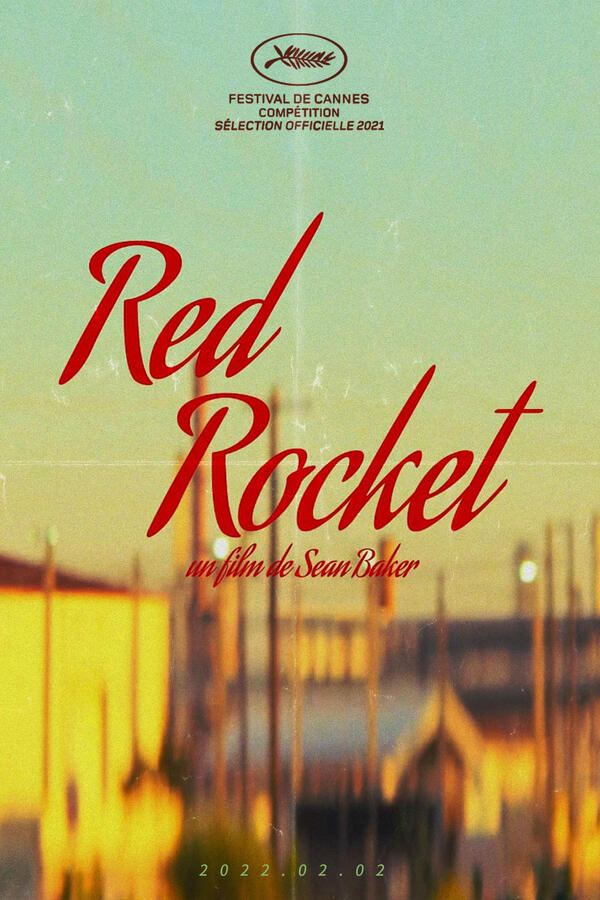
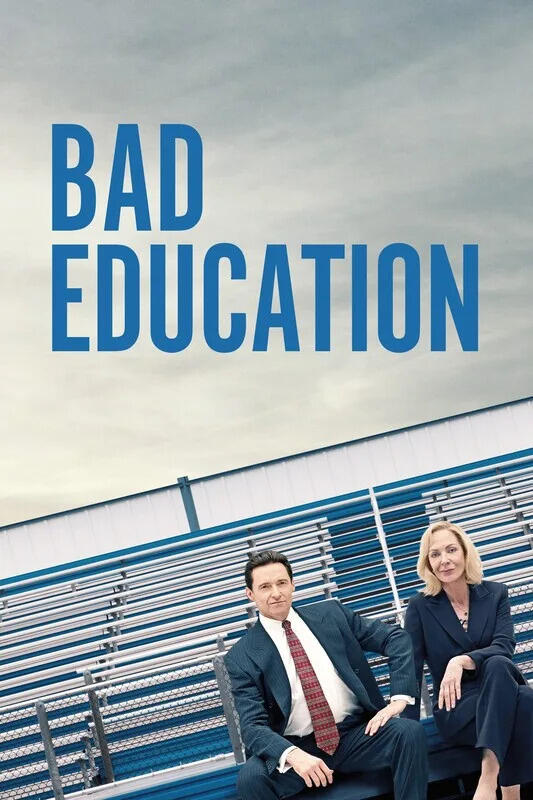
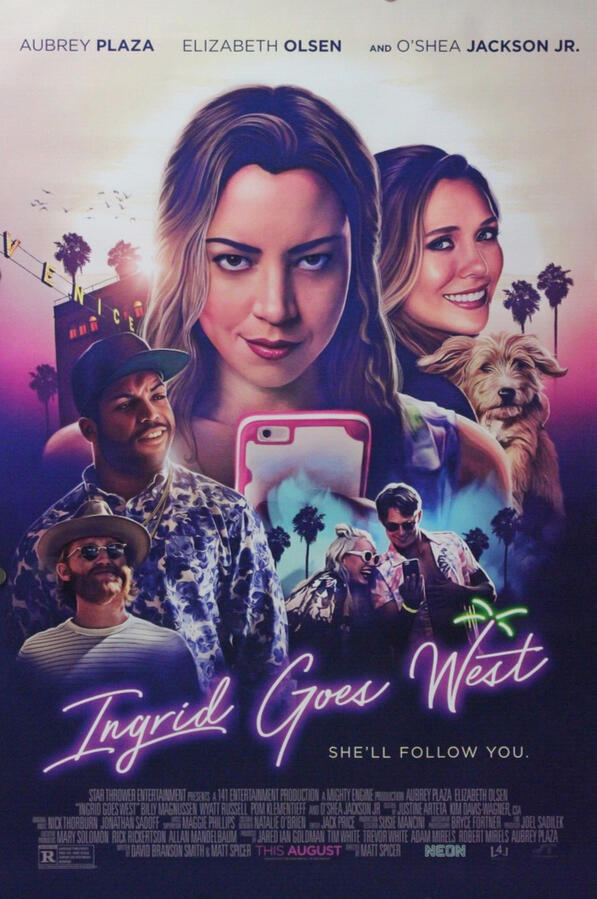
Red Rocket (2021)
Dir. Sean Baker
Budget: 1 million
Worldwide gross: 2.30 millionBad Education (2019)
Dir. Cory Finley
Budget: 14 million; acquired for 17 million at TIFF
Worldwide gross: N/A (an HBO exclusive)Ingrid Goes West (2017)
Dir. Matt Spicer
Budget: Undisclosed (independently produced; Neon acquired for 3 million at Sundance)
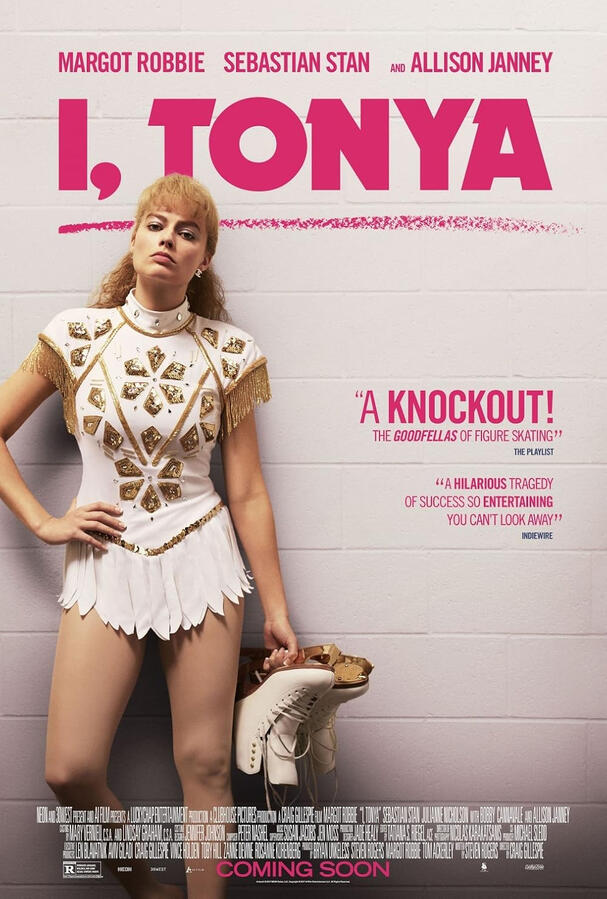
Worldwide gross: 3.6 millionI, Tonya (2017)
Dir. Craig Gillespie
Budget: 11 million
Worldwide gross: 53 million45 Years (2015)
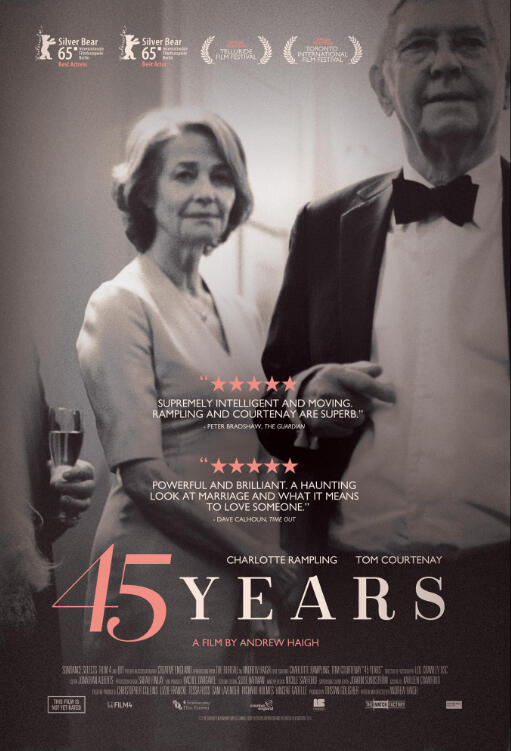
Dir. Andrew Haigh
Budget: 2 million (estimated)
Worldwide gross: 14 millionBlue Ruin (2013)
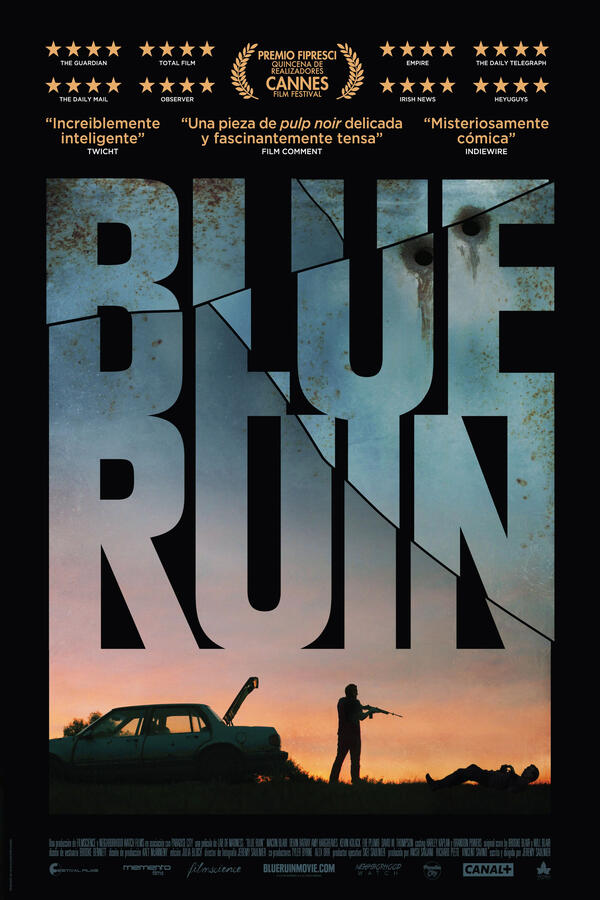
Dir. Jeremy Saulnier
Budget: 420 thousand
Worldwide gross: 1 millionCompliance (2012)
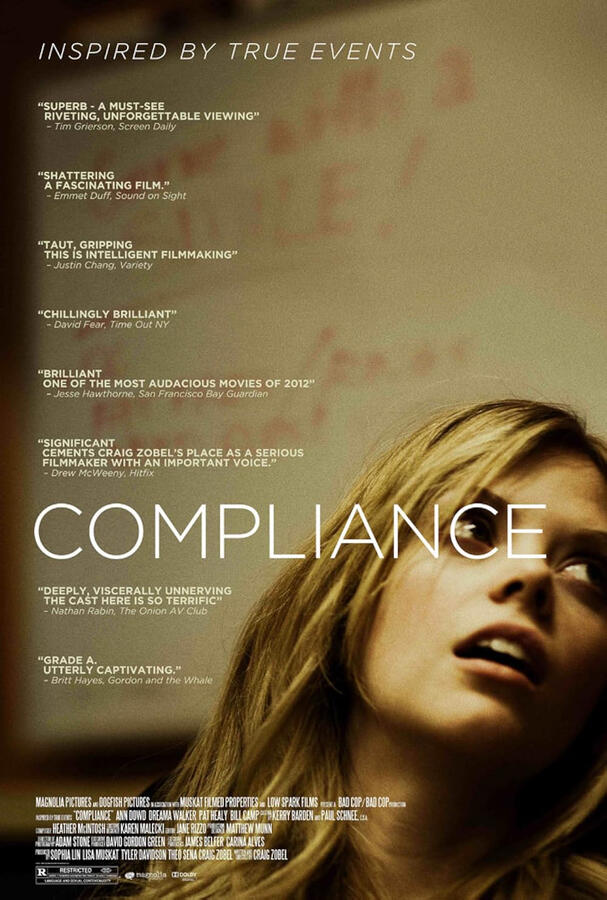
Dir. Craig Zobel
Budget: 270 thousand
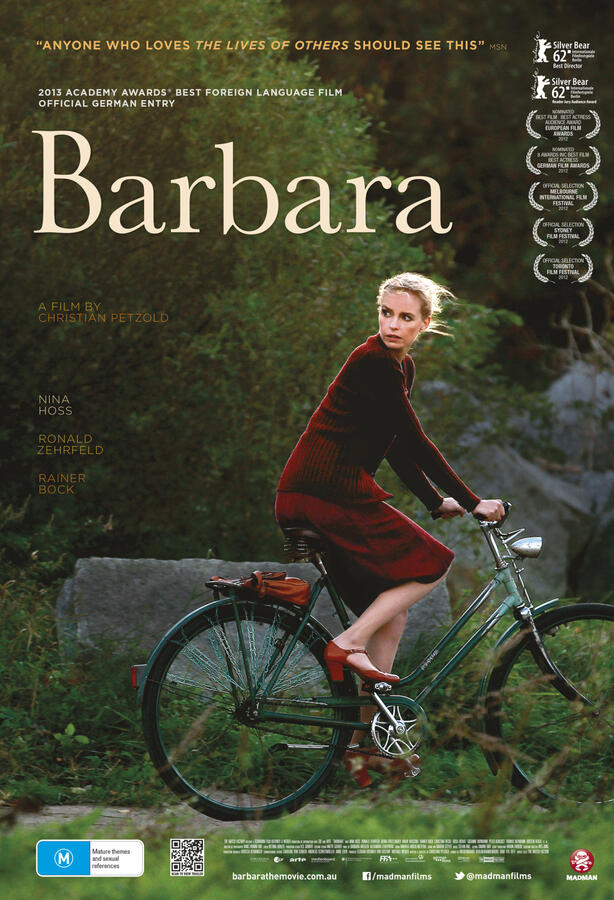
Worldwide gross: 670 thousandBarbara (2012)
Dir. Christian Petzold
Budget: 3.5 million
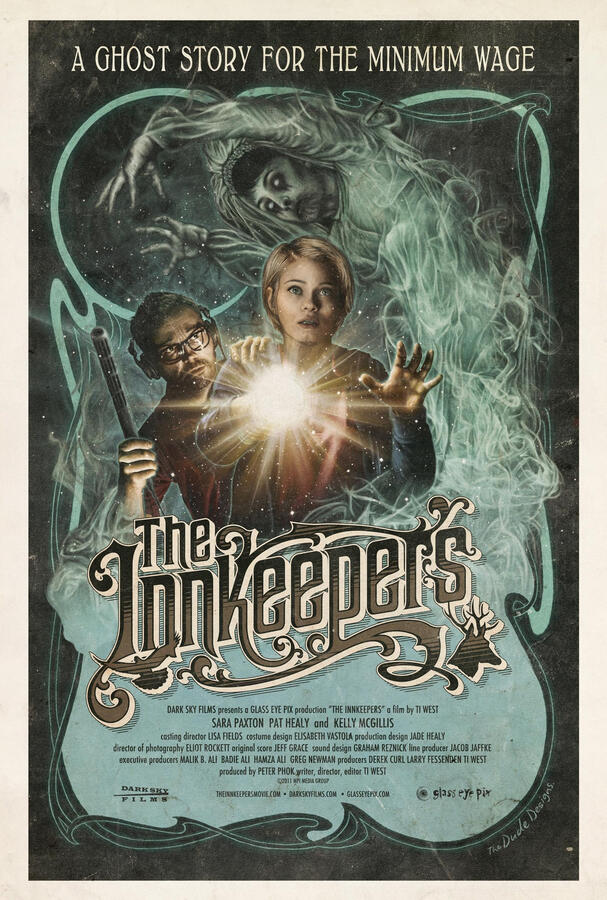
Worldwide gross: 6.9 millionThe Innkeepers (2011)
Dir. Ti West
Budget: 750 thousand
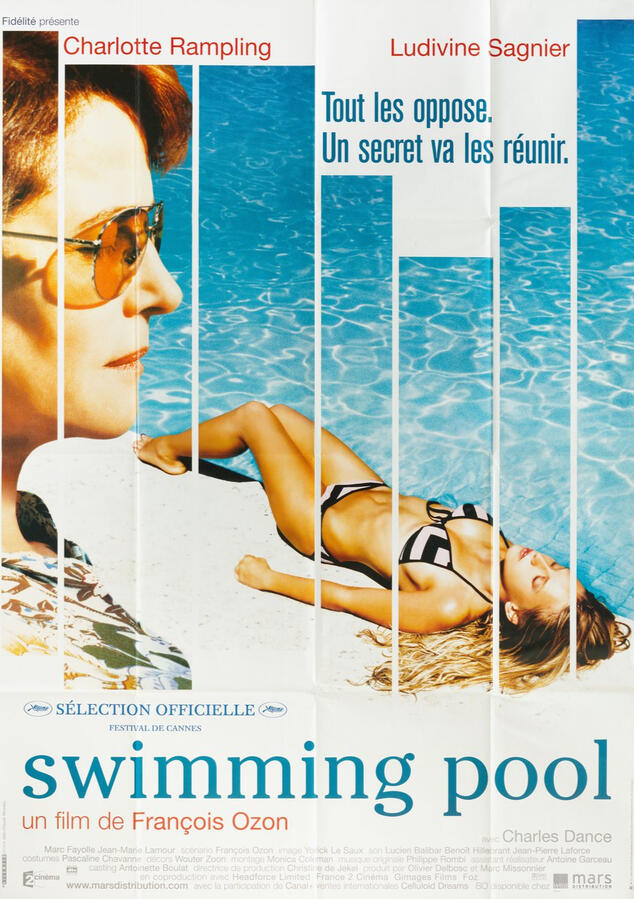
Worldwide gross: 1.2 millionSwimming Pool (2003)
Dir. Francois Ozon
Budget: 7 million
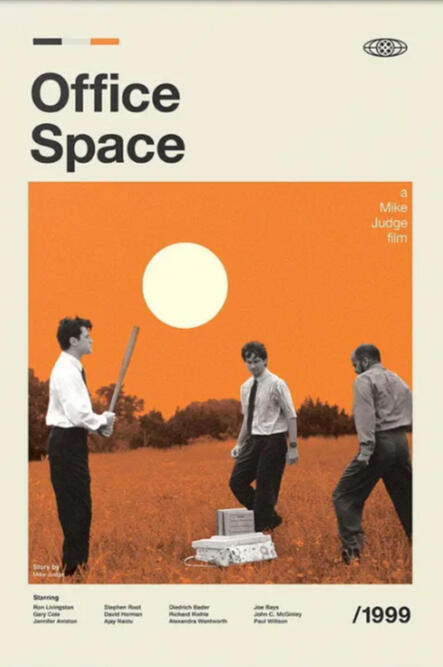
Worldwide gross: 23 millionOffice Space (1999)
Dir. Mike Judge
Budget: 10 million
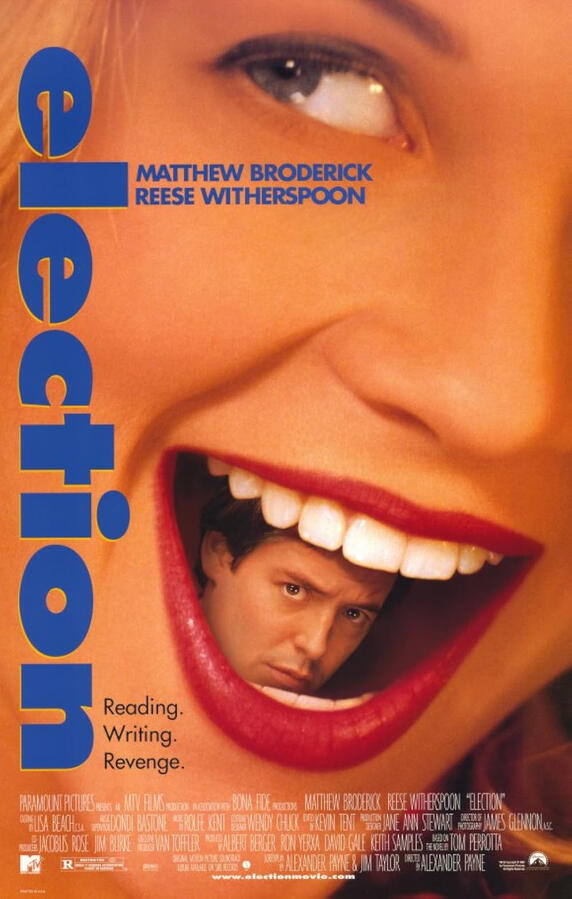
Worldwide gross: 12 million, with subsequent home-media sales of about 30 millionElection (1999)
Dir. Alexander Payne
Budget: 10 million
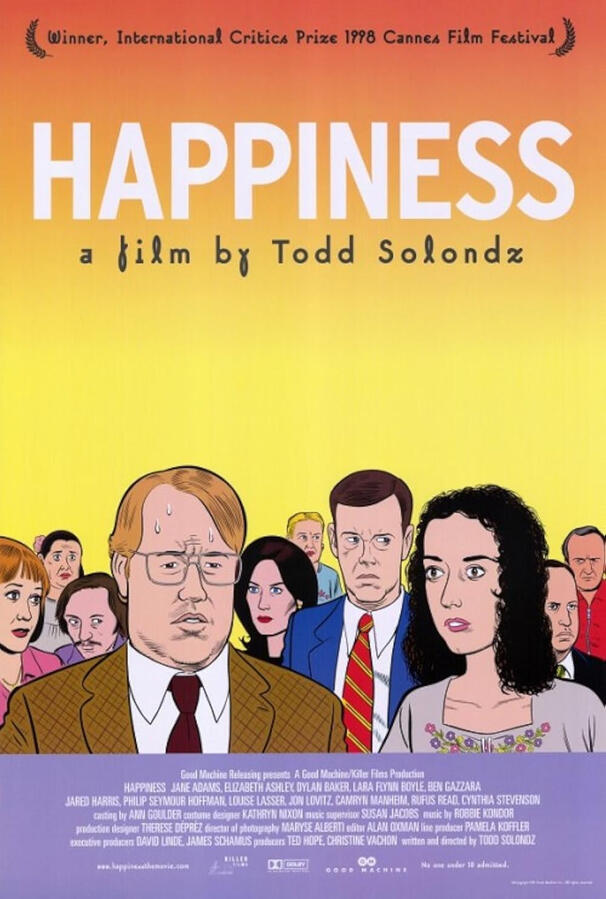
Worldwide gross: 17 millionHappiness (1998)
Dir. Todd Solondz
Budget: 2.2 million
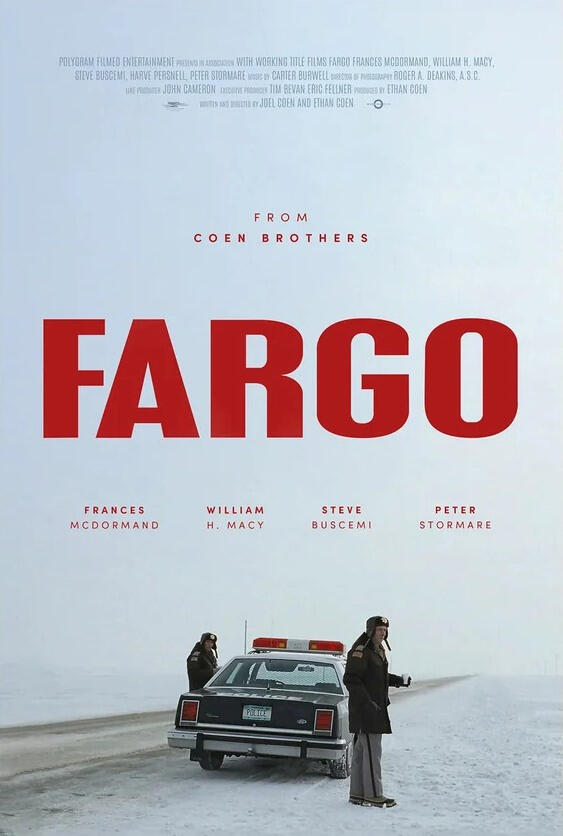
Worldwide gross: 5.7 millionFargo (1996)
Dirs. Joel and Ethan Coen
Budget: 7 million
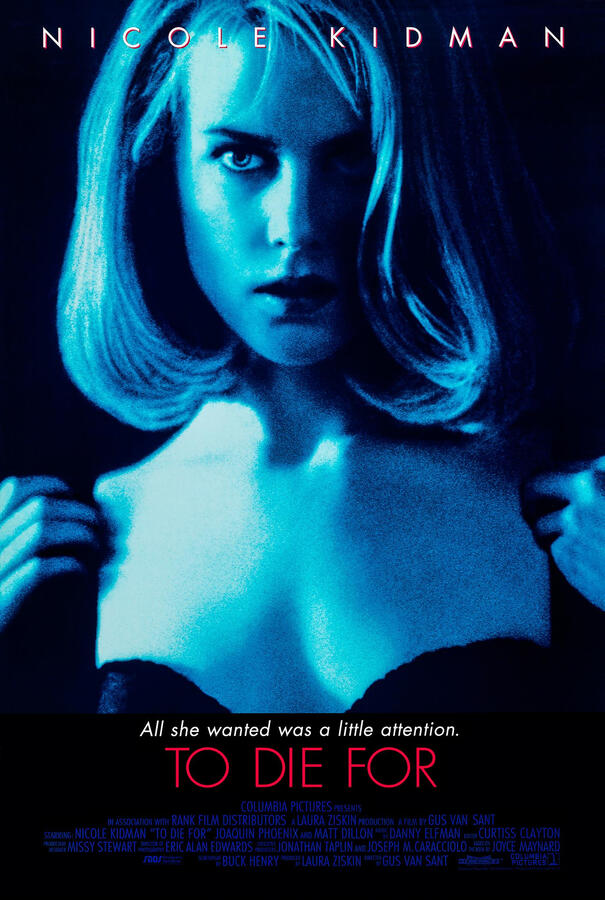
Worldwide gross: 54 millionTo Die For (1995)
Dir. Gus Van Sant
Budget: 20 million
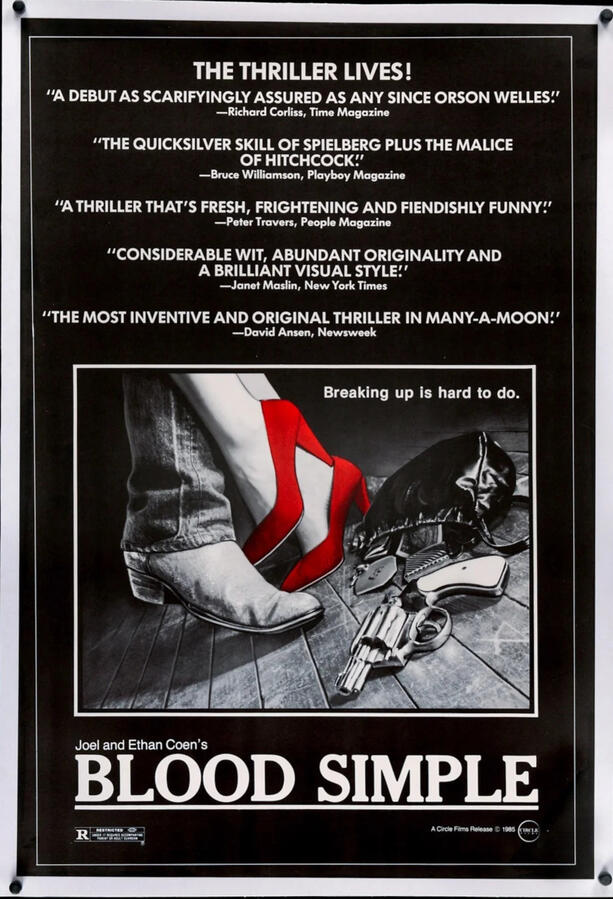
Worldwide gross: 27 millionBlood Simple (1984)
Dirs. Joel and Ethan Coen
Budget: 1.5 million
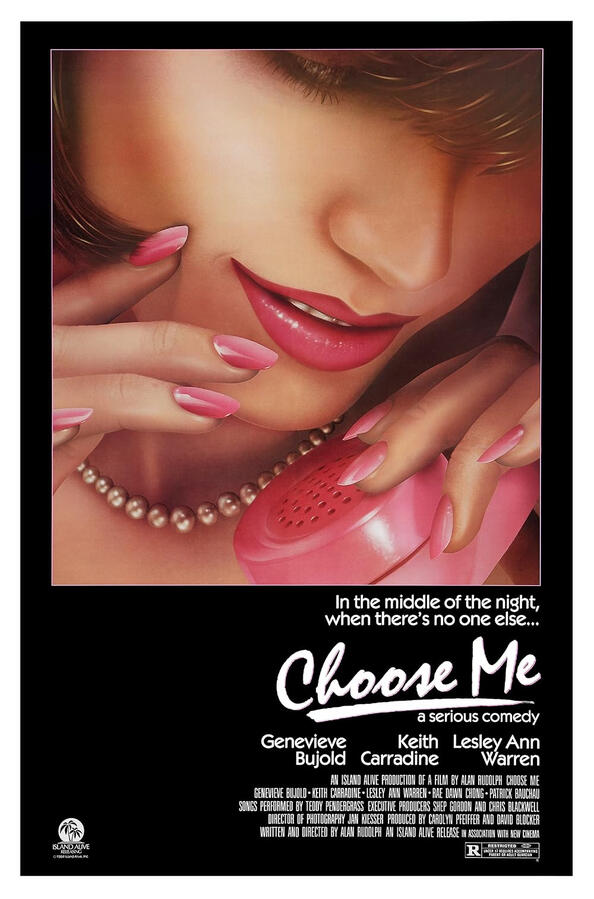
Worldwide gross: 4 millionChoose Me (1984)
Dir. Alan Rudolph
Budget: 800 thousand (estimated)
Worldwide gross: 2.4 million
Mood Board
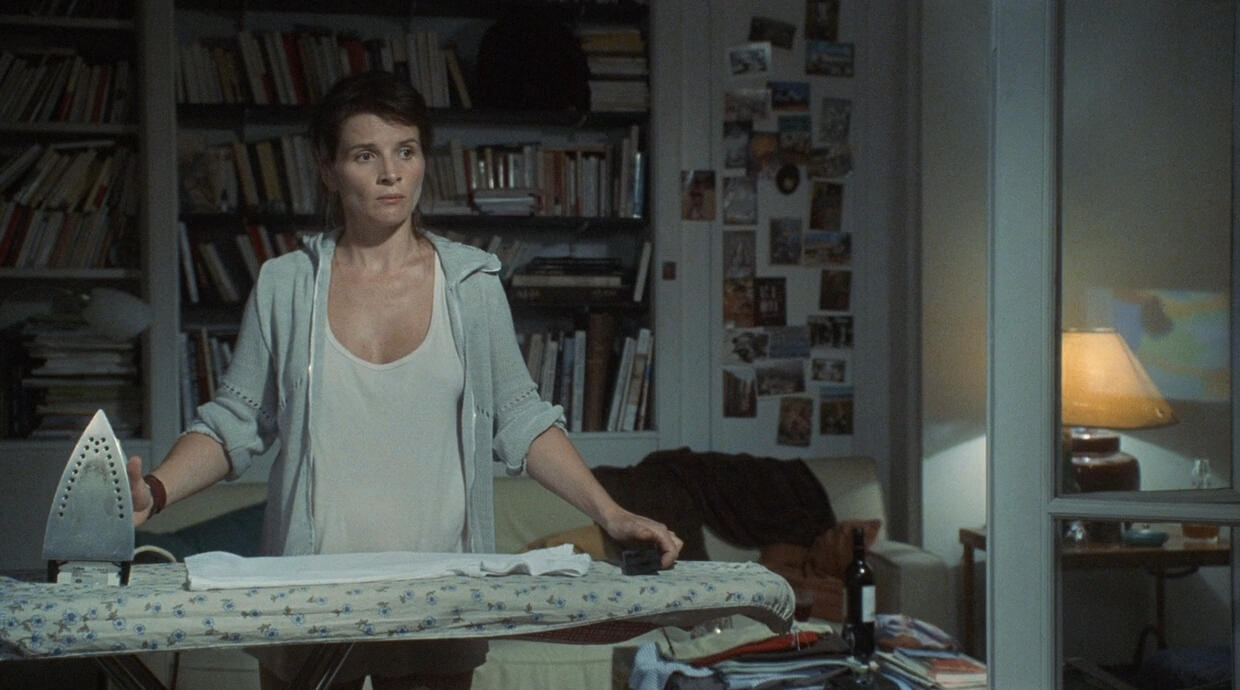
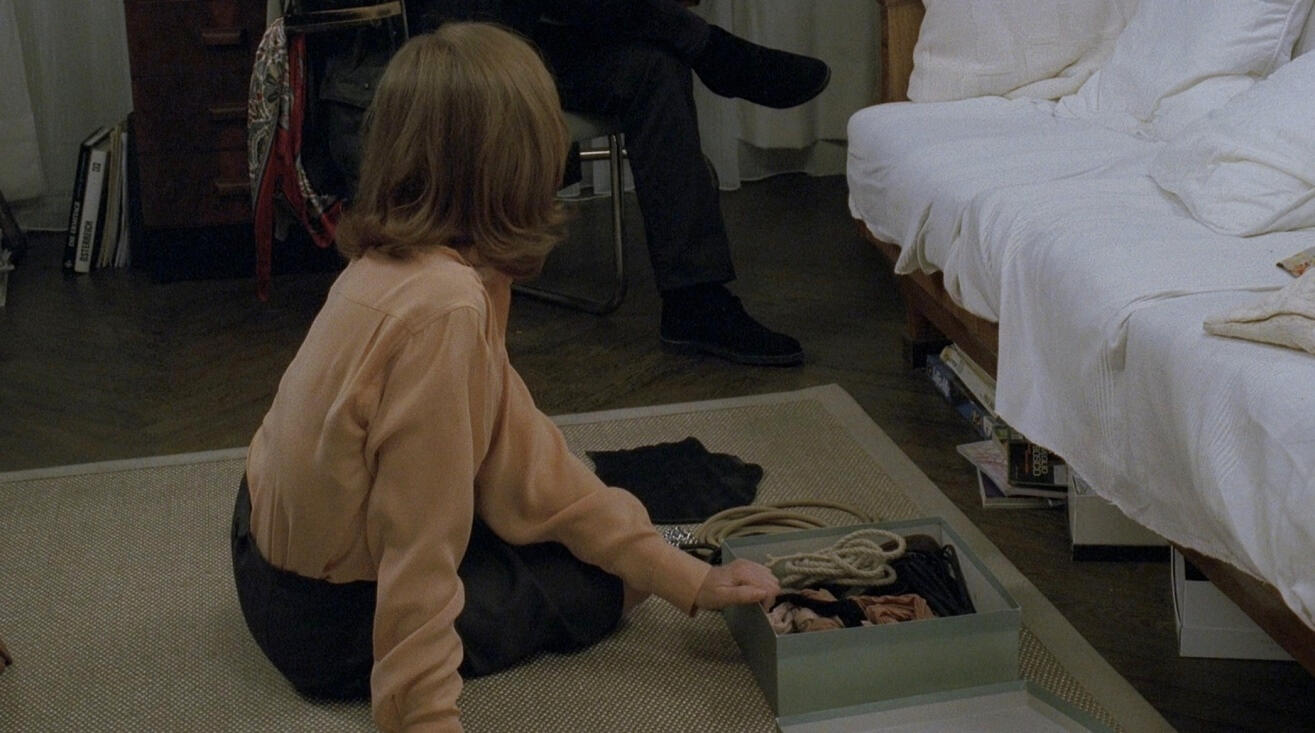
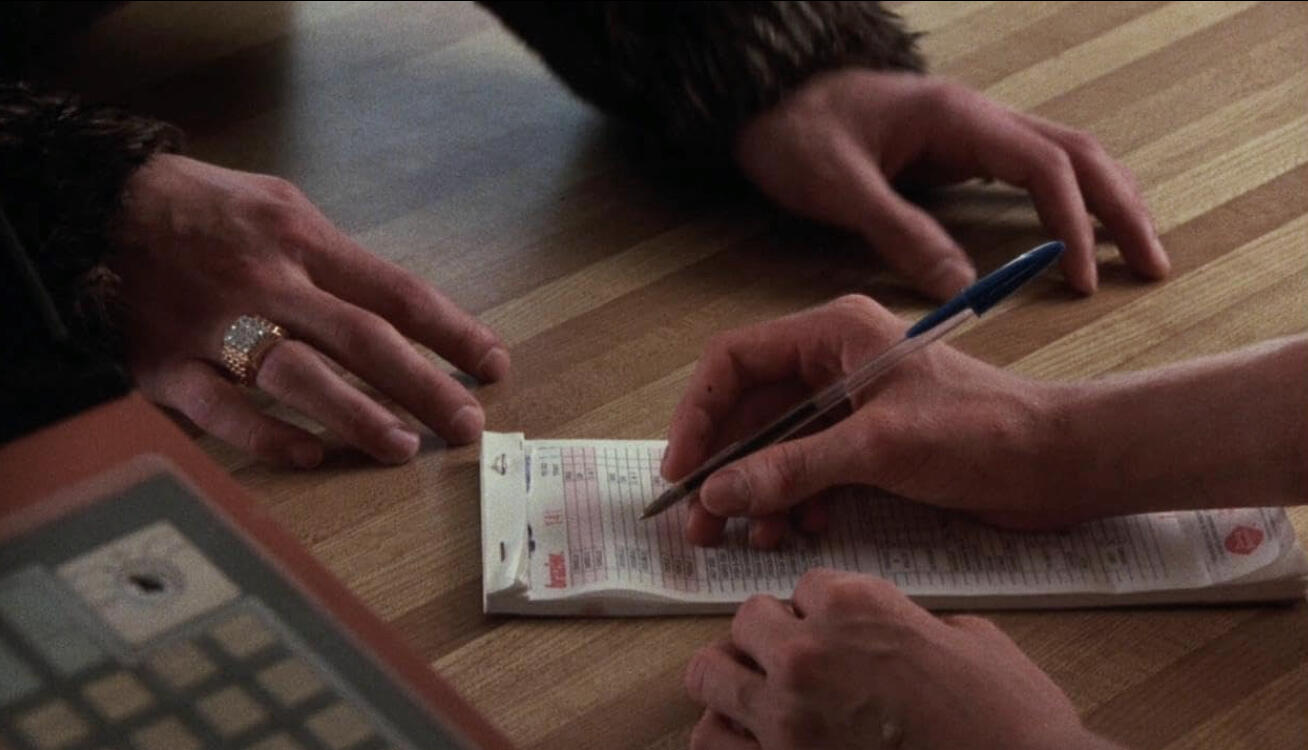
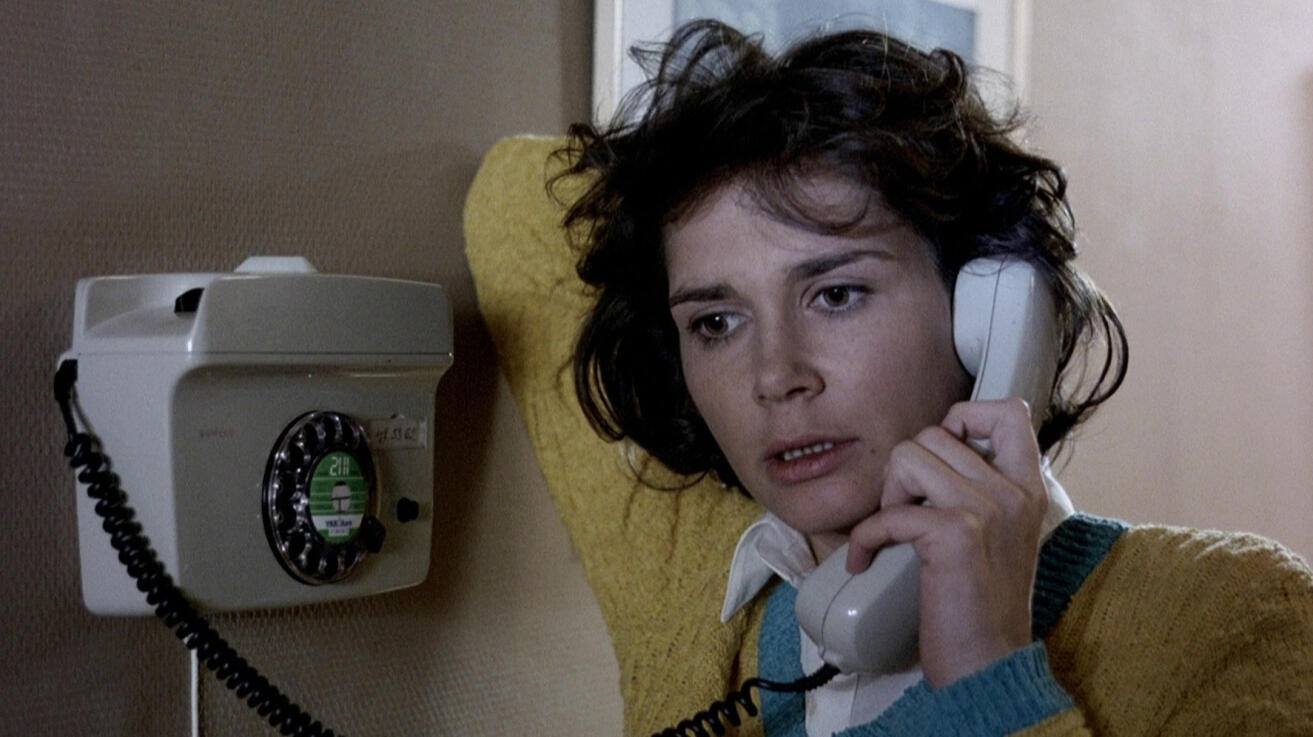
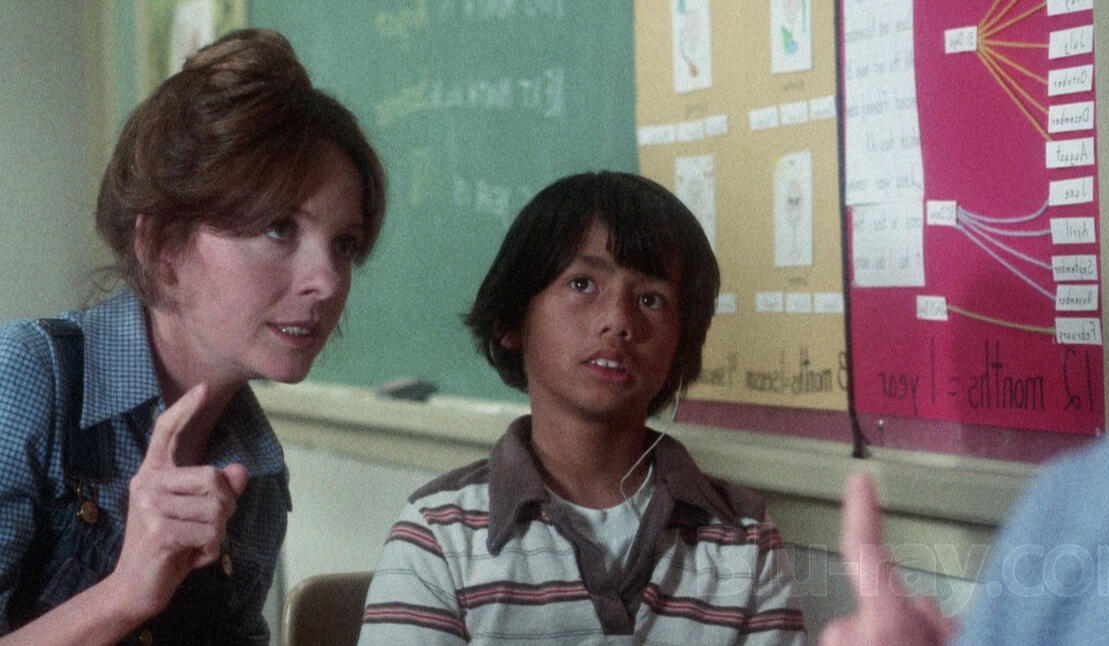
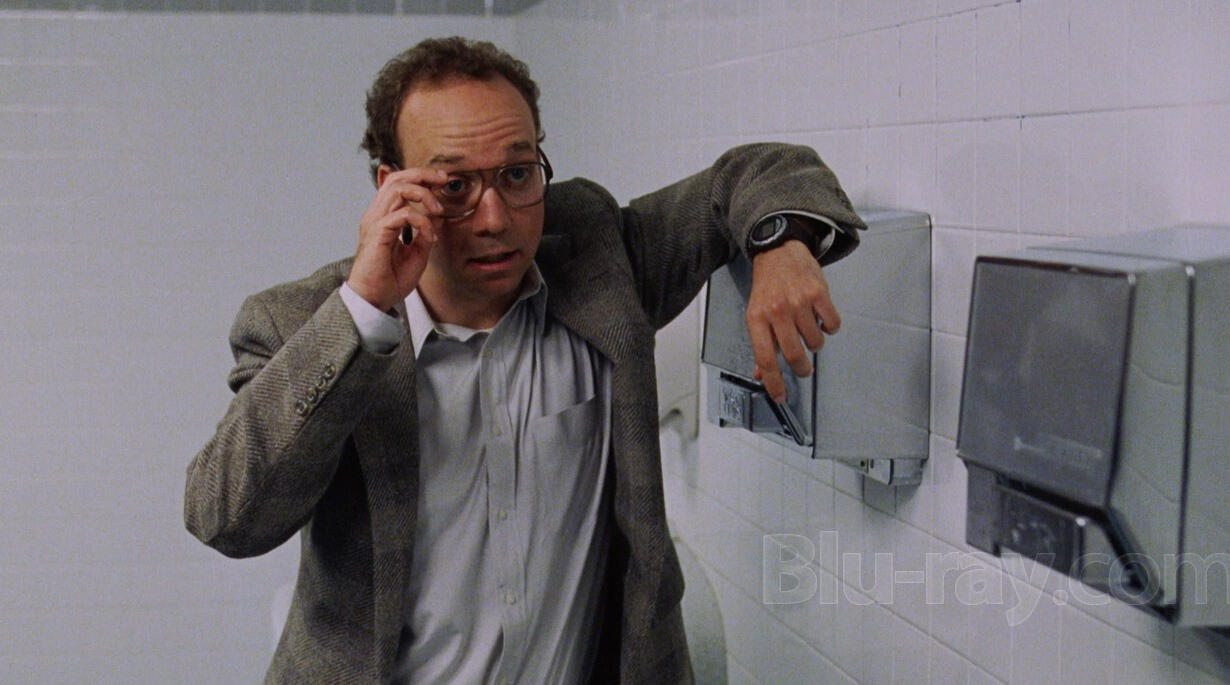
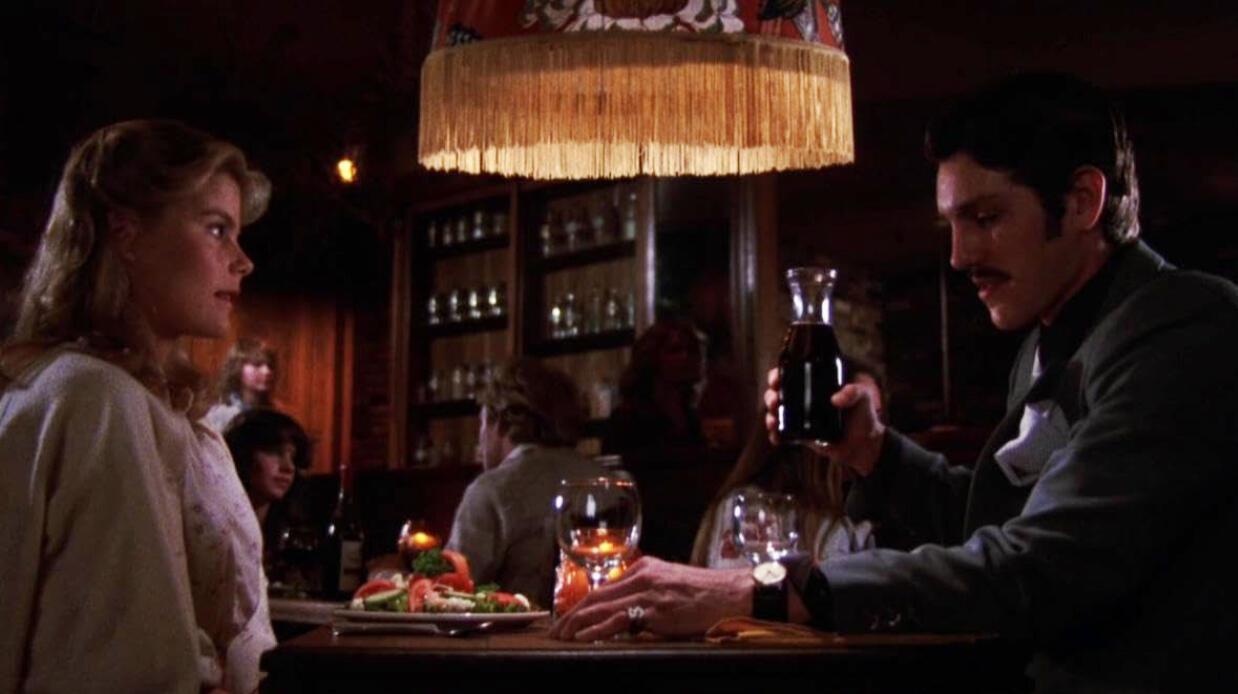
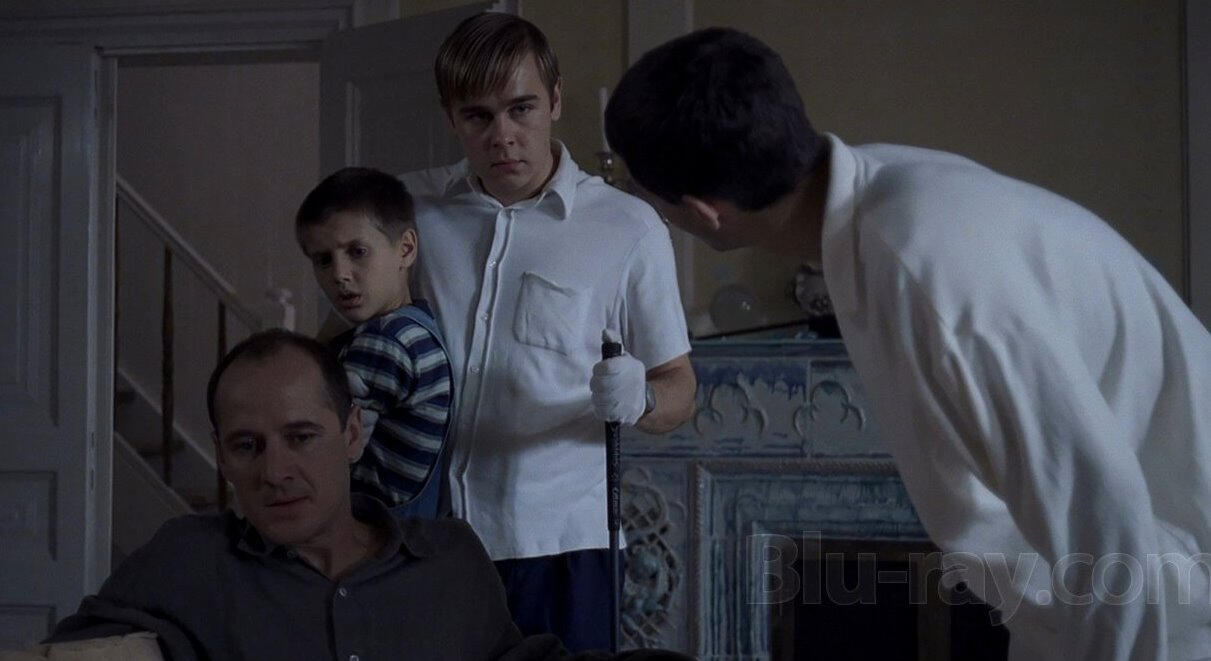
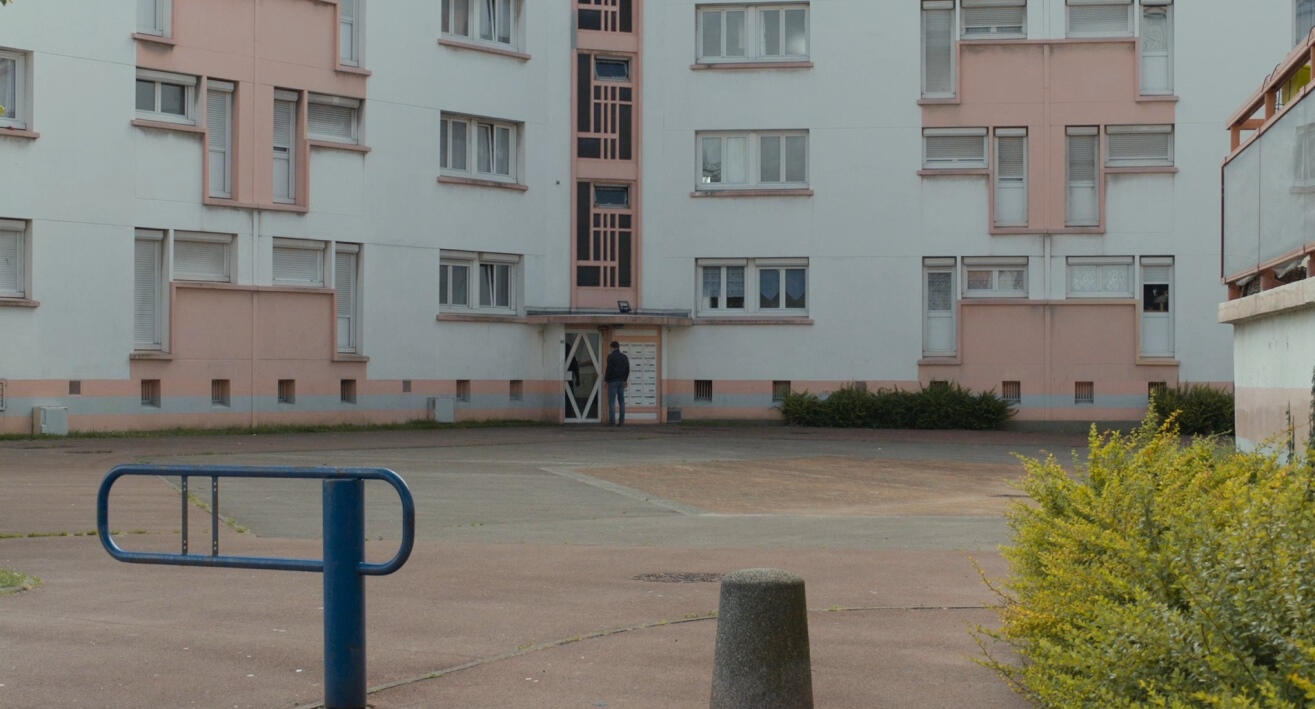
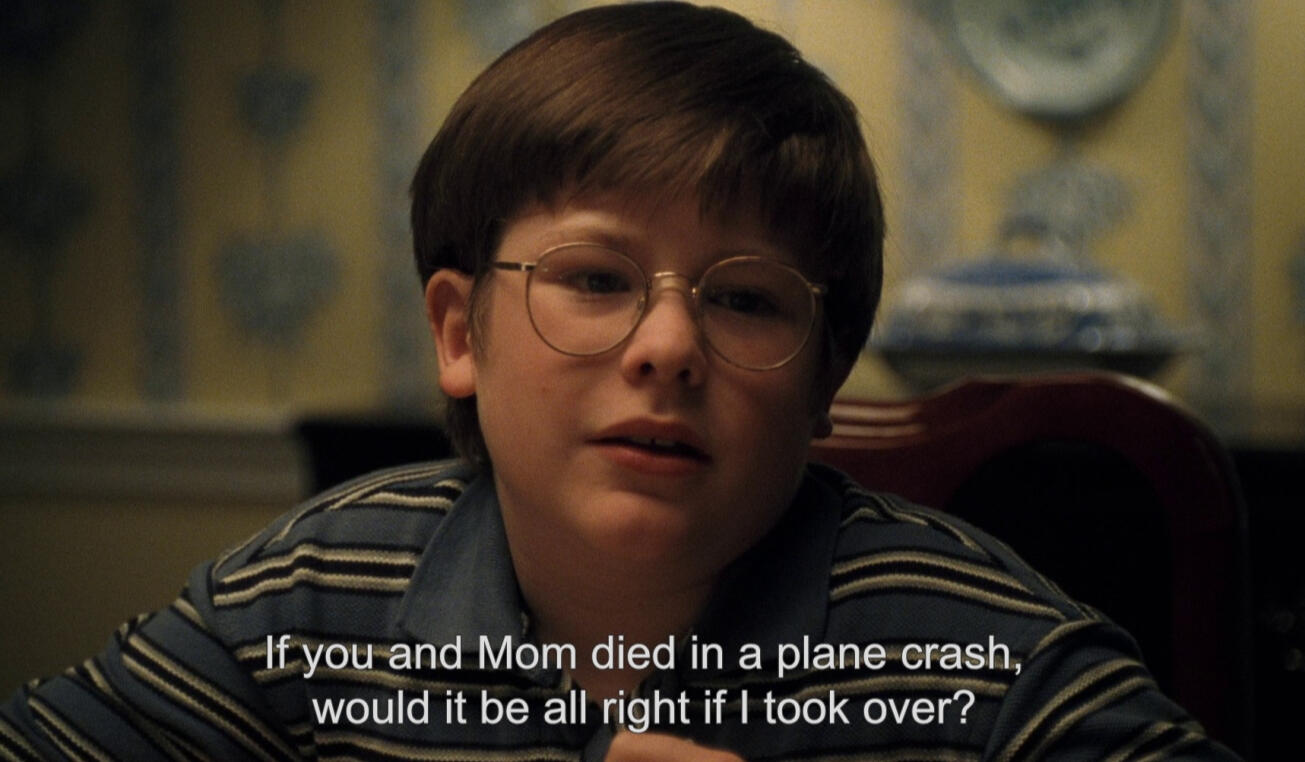
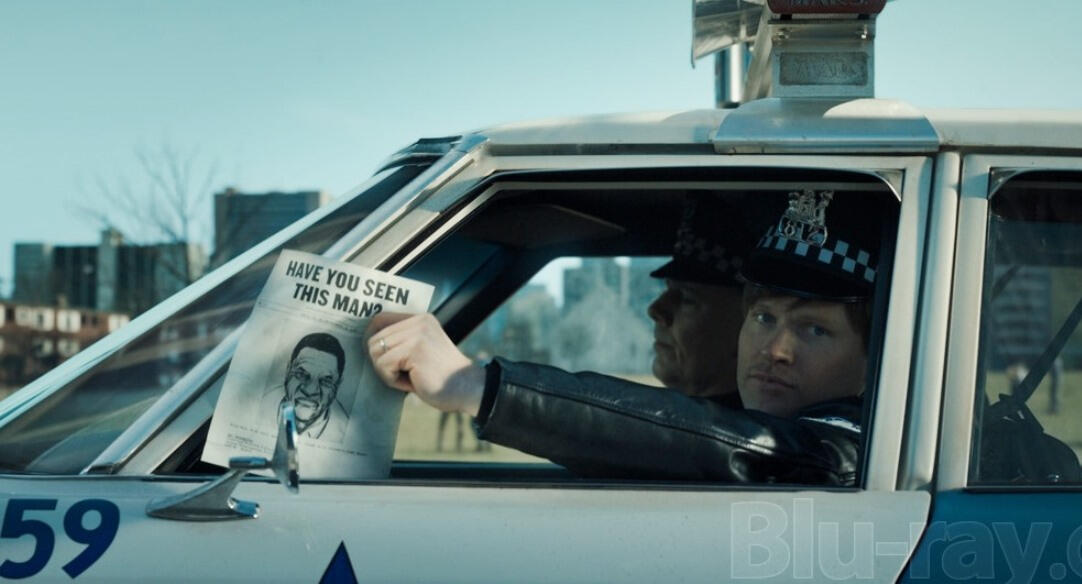
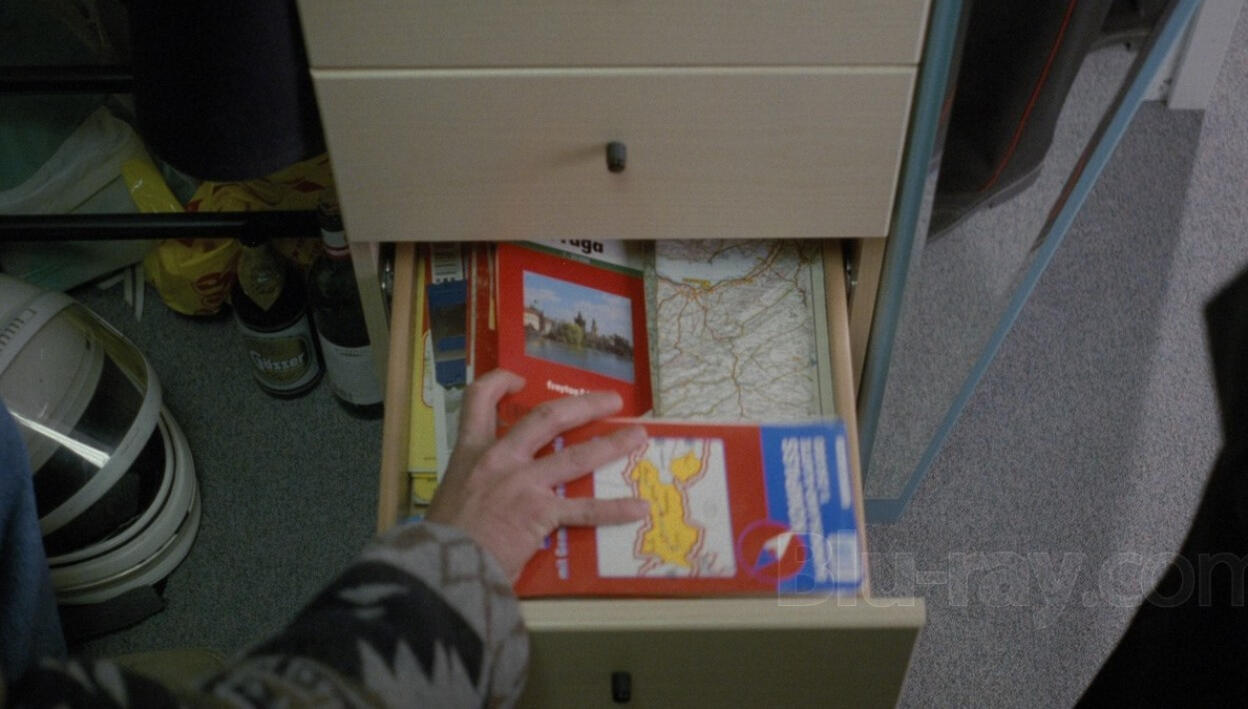
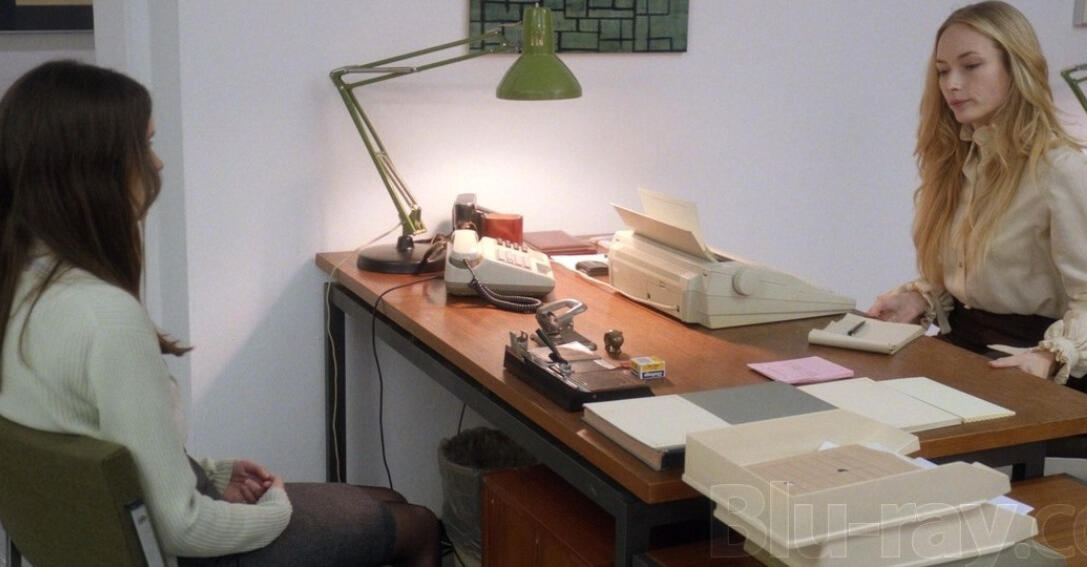
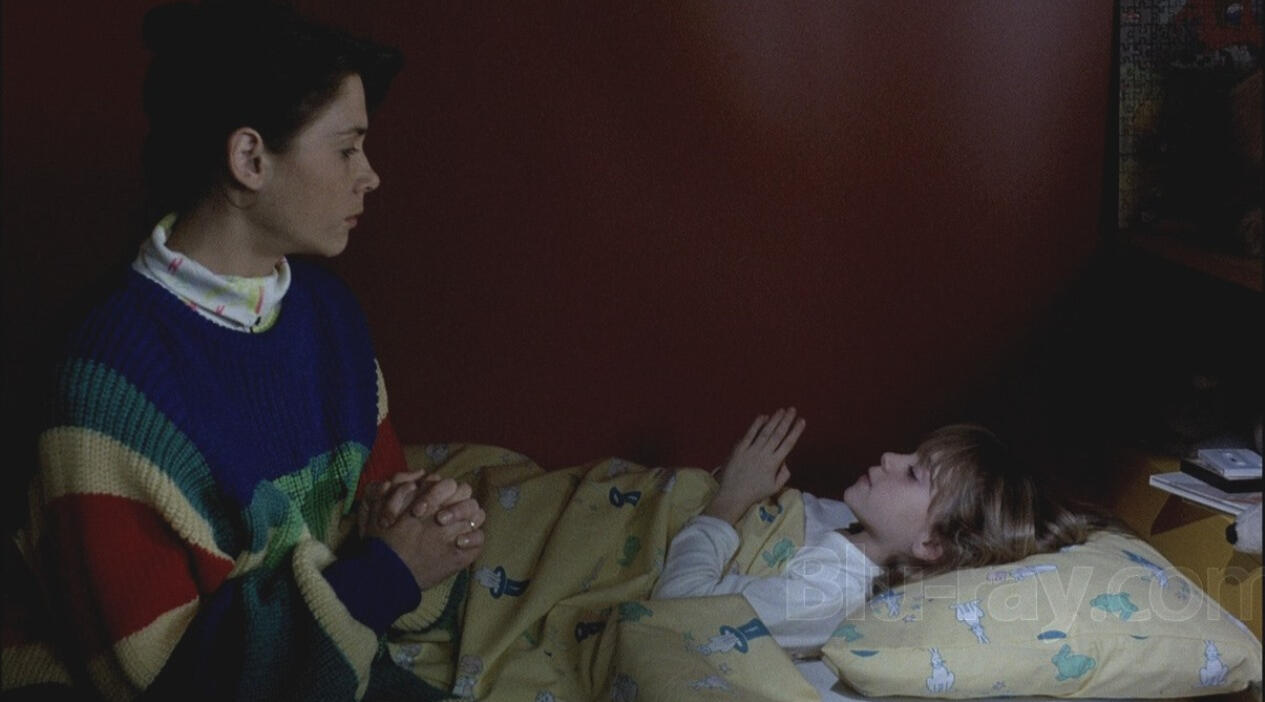
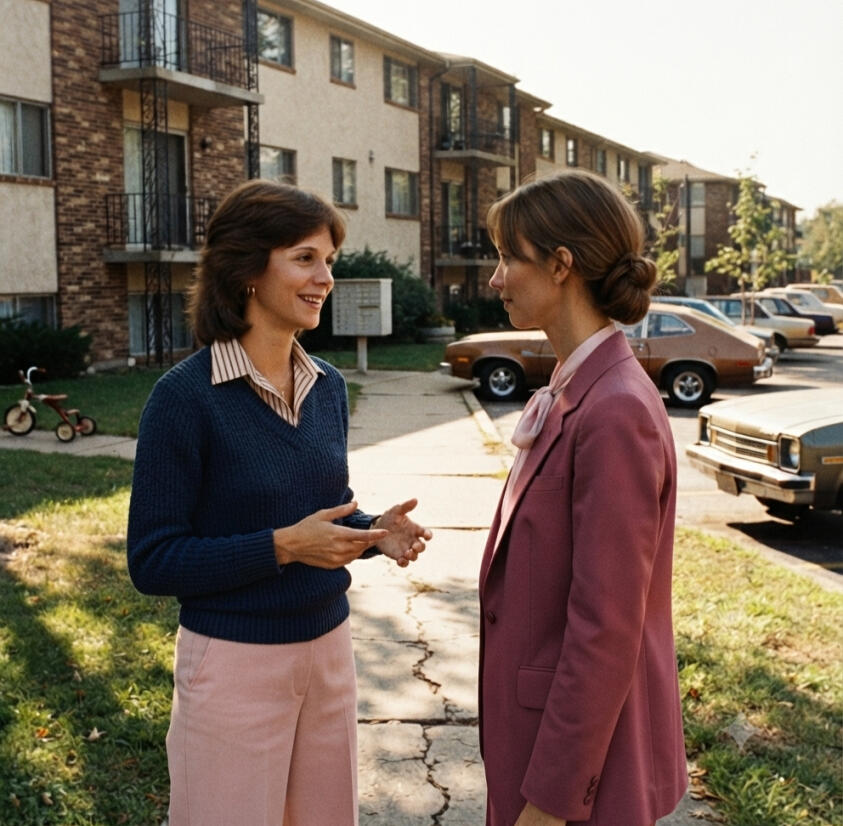
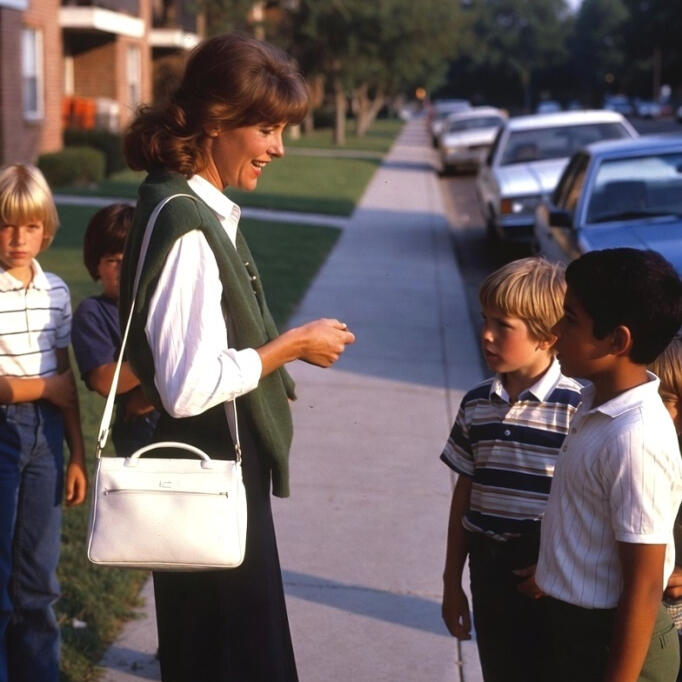
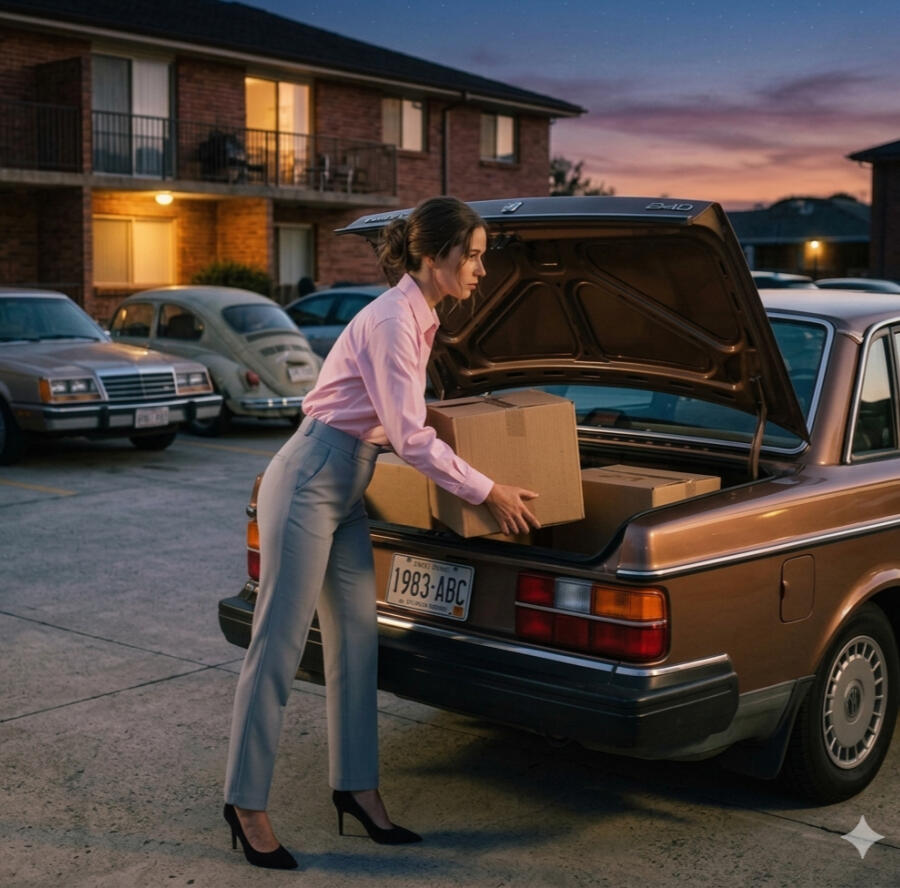
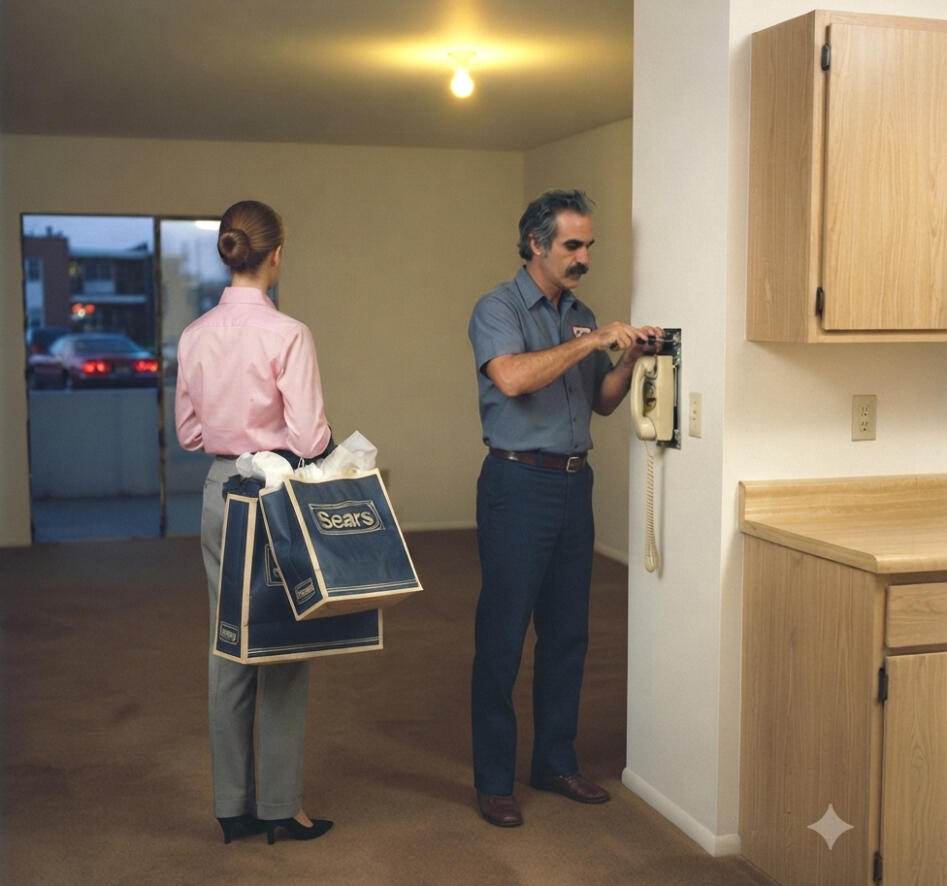
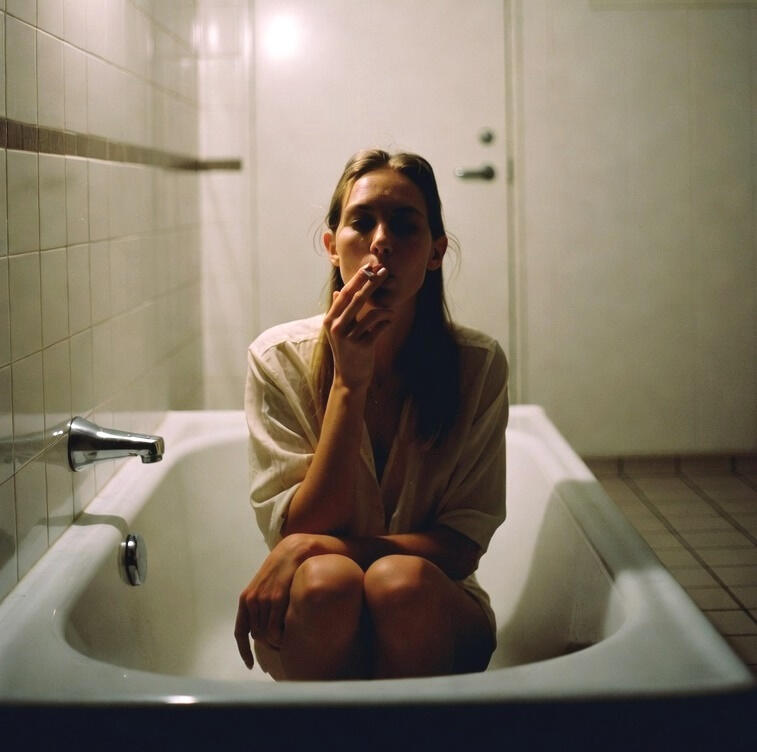
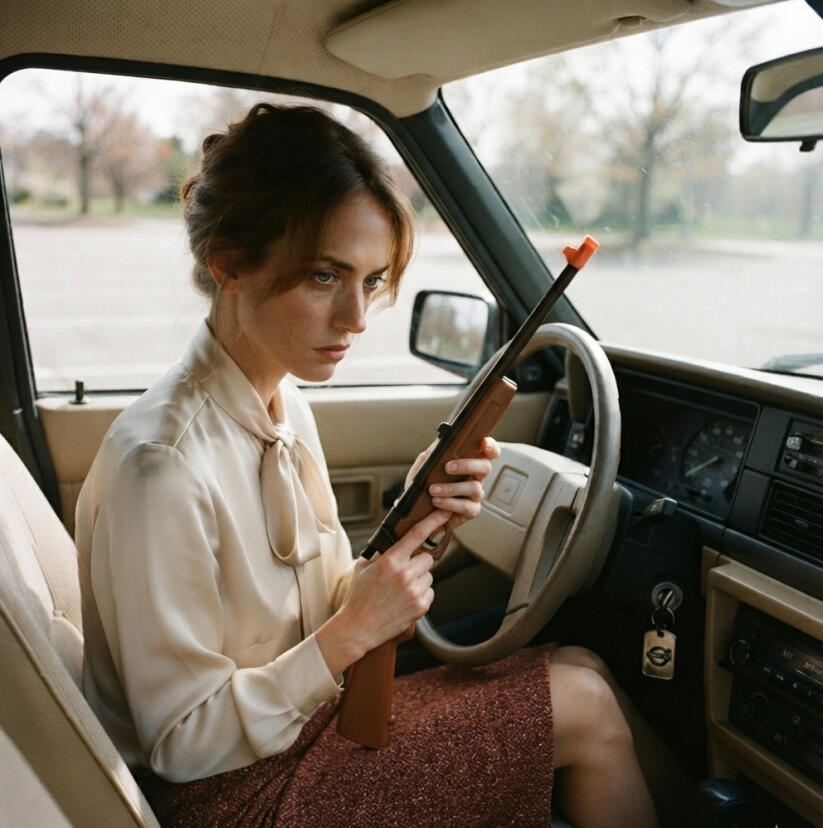
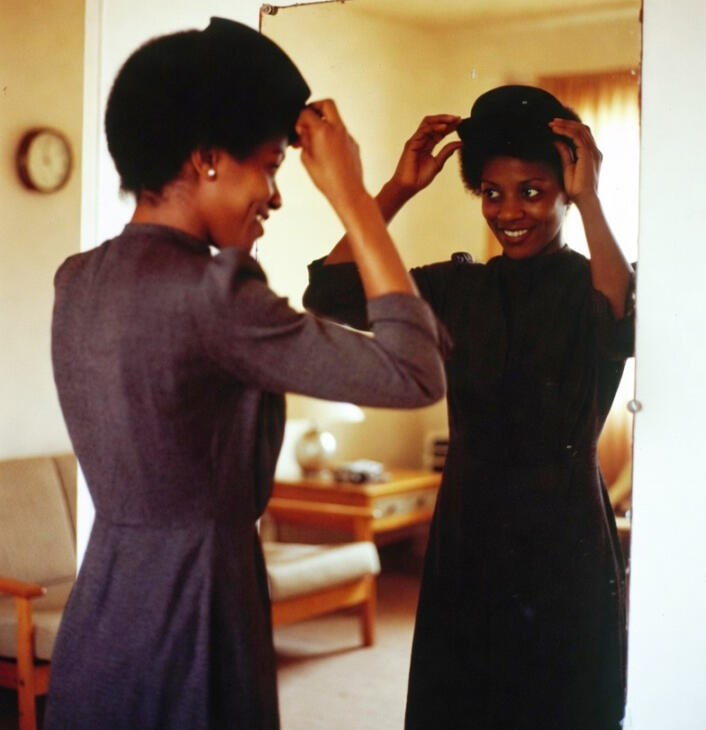
The following images, taken from other films, give a sense of the tone, composition, palette, and lighting style of Lynnhaven. The idea is to show ordinary people in ordinary settings doing weird things, favoring medium shots, off-the-rack clothing, and naturalistic lighting.

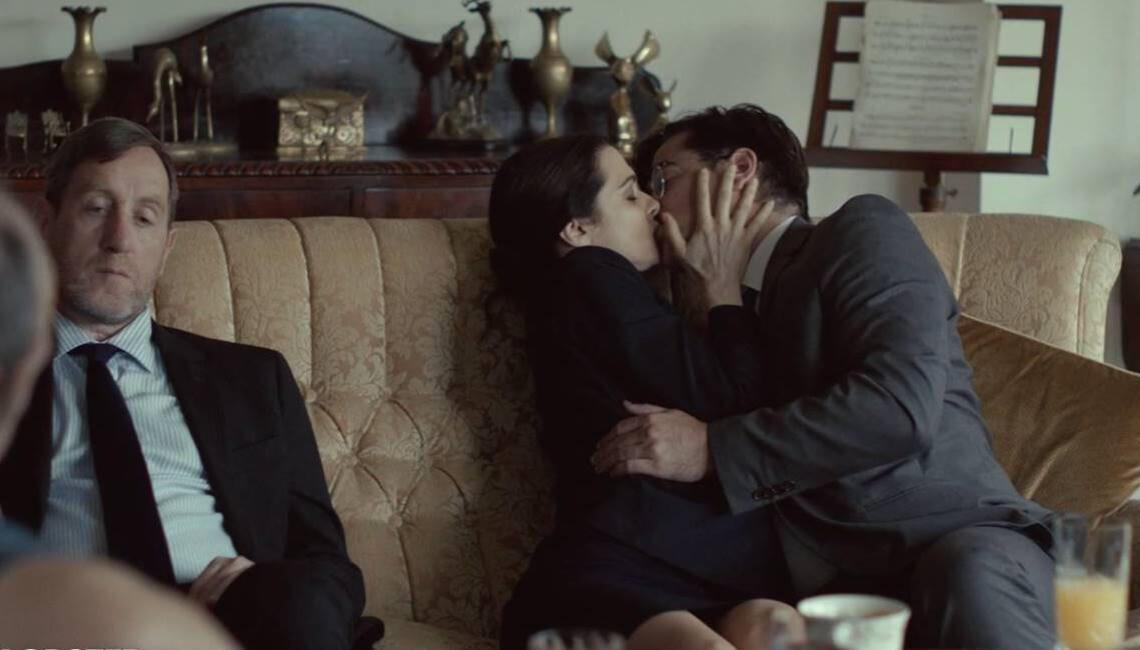
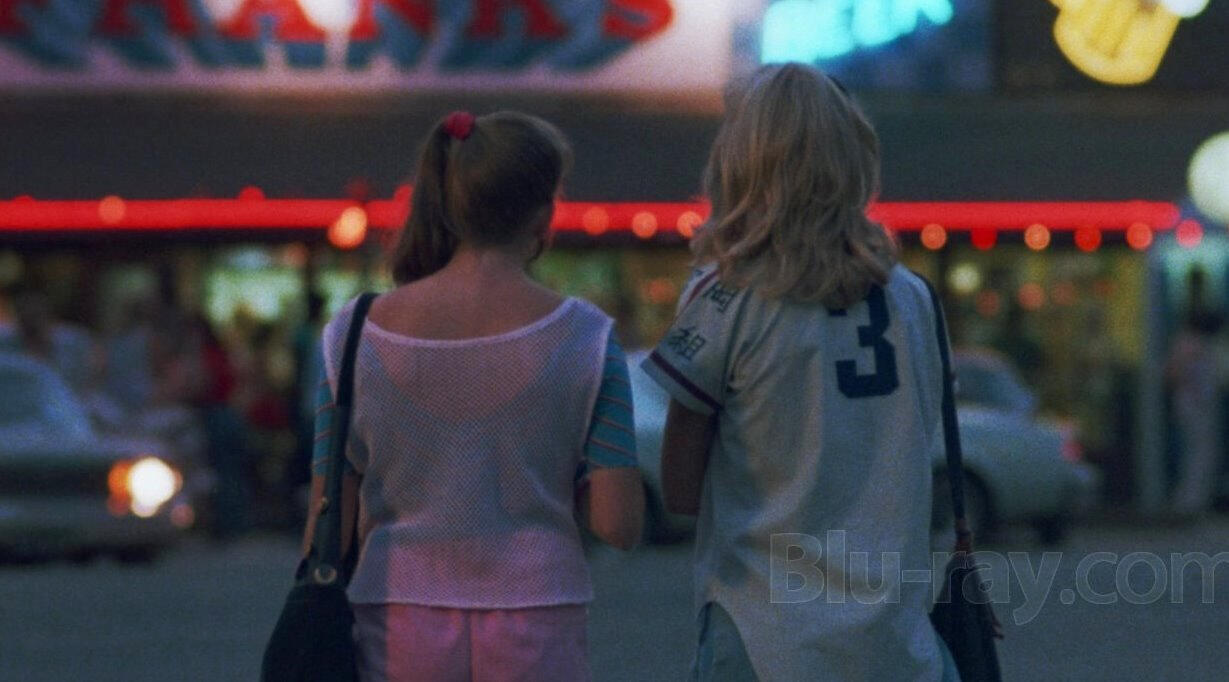
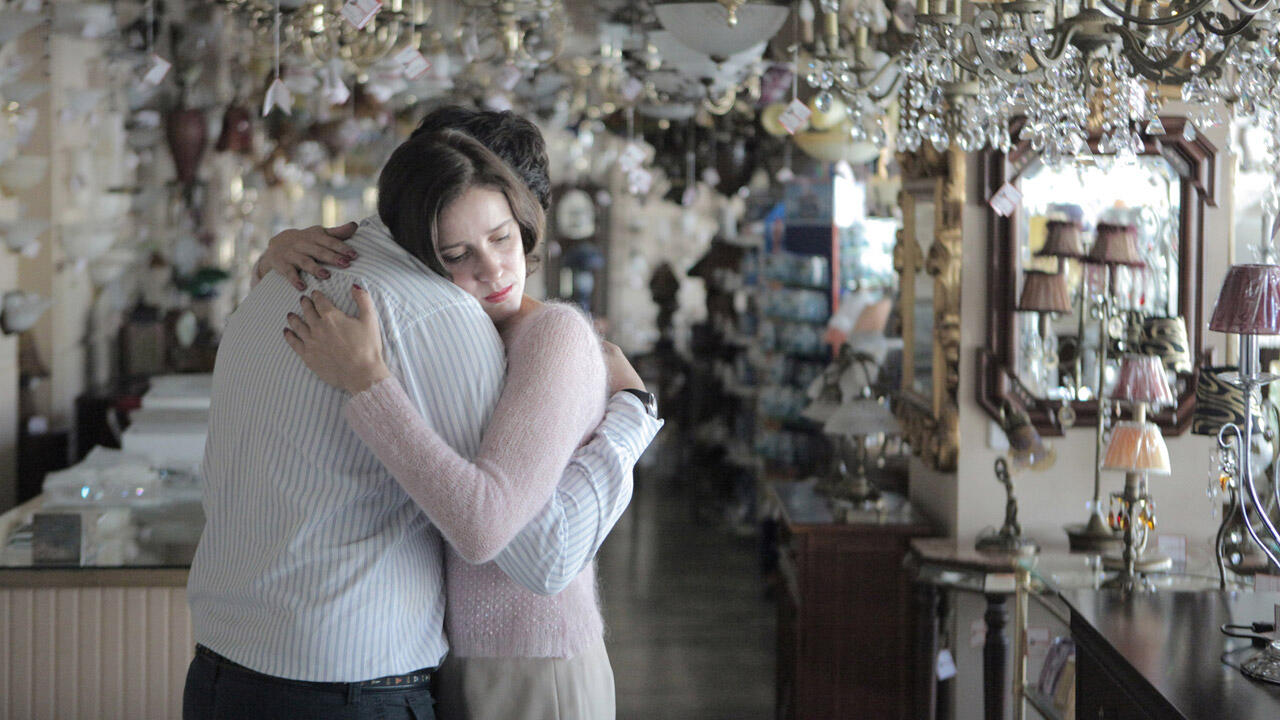
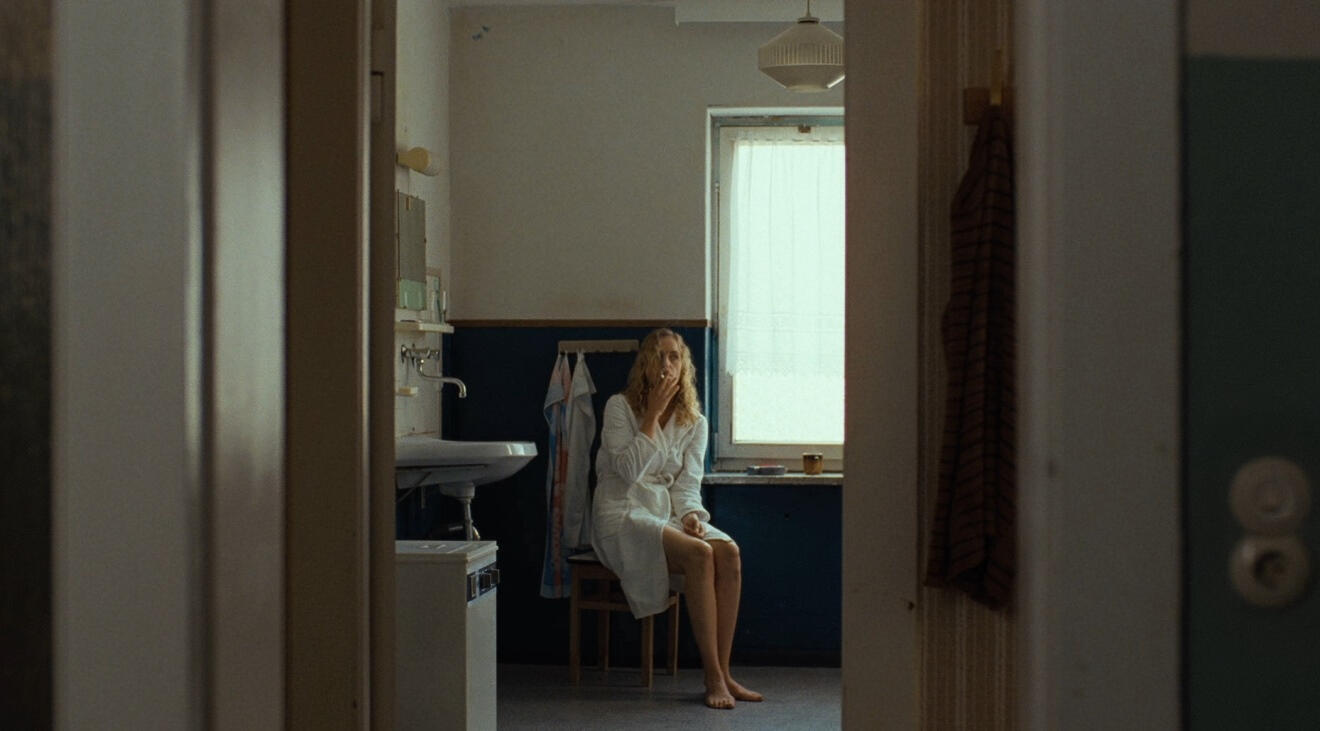
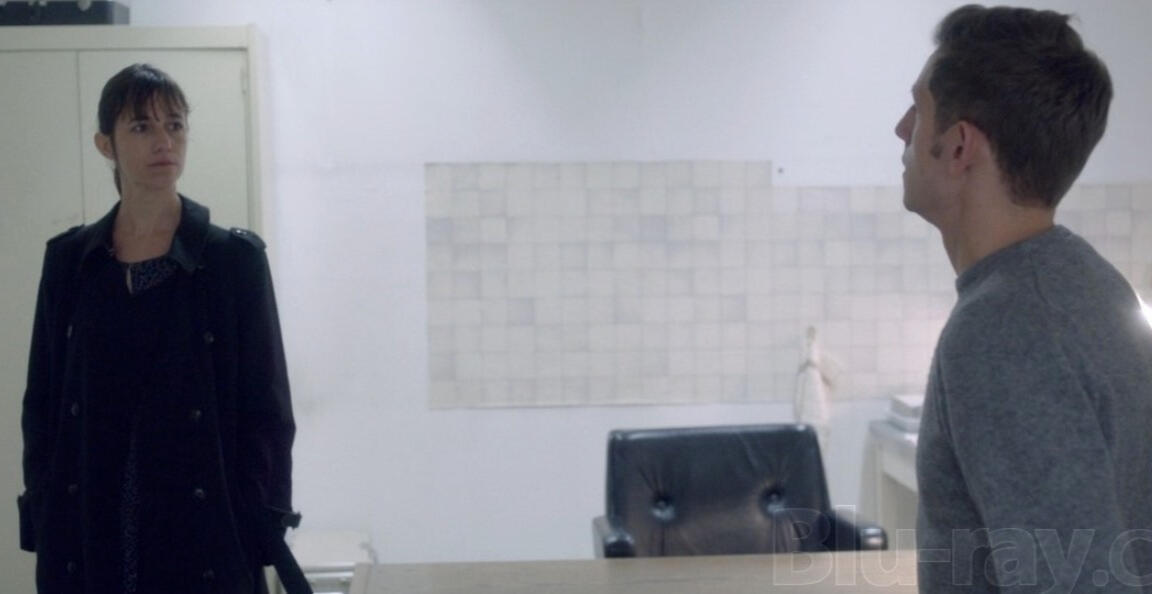
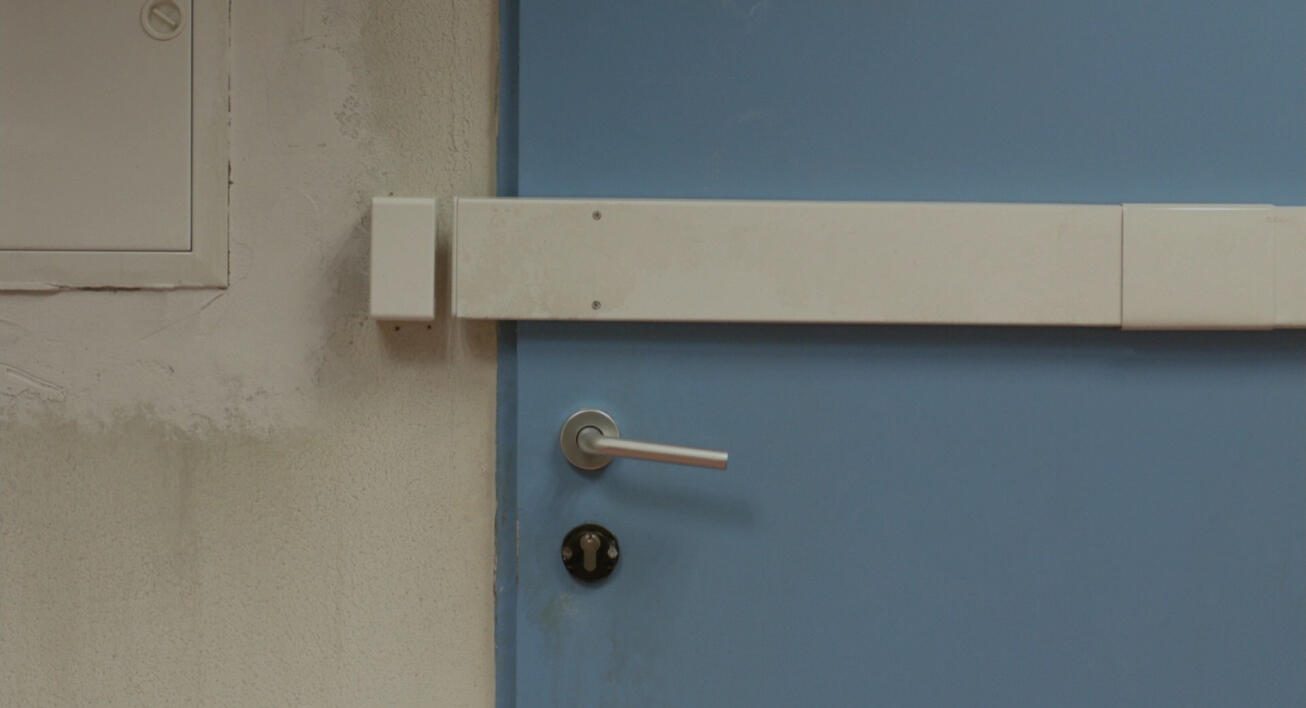
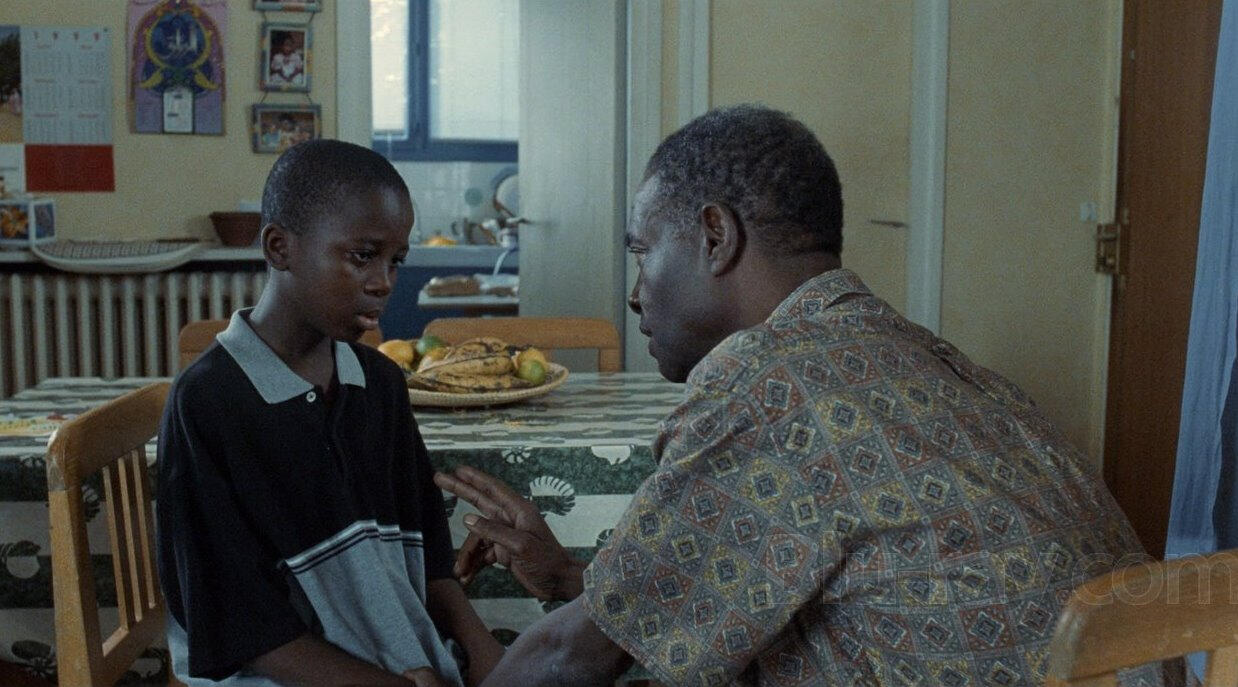
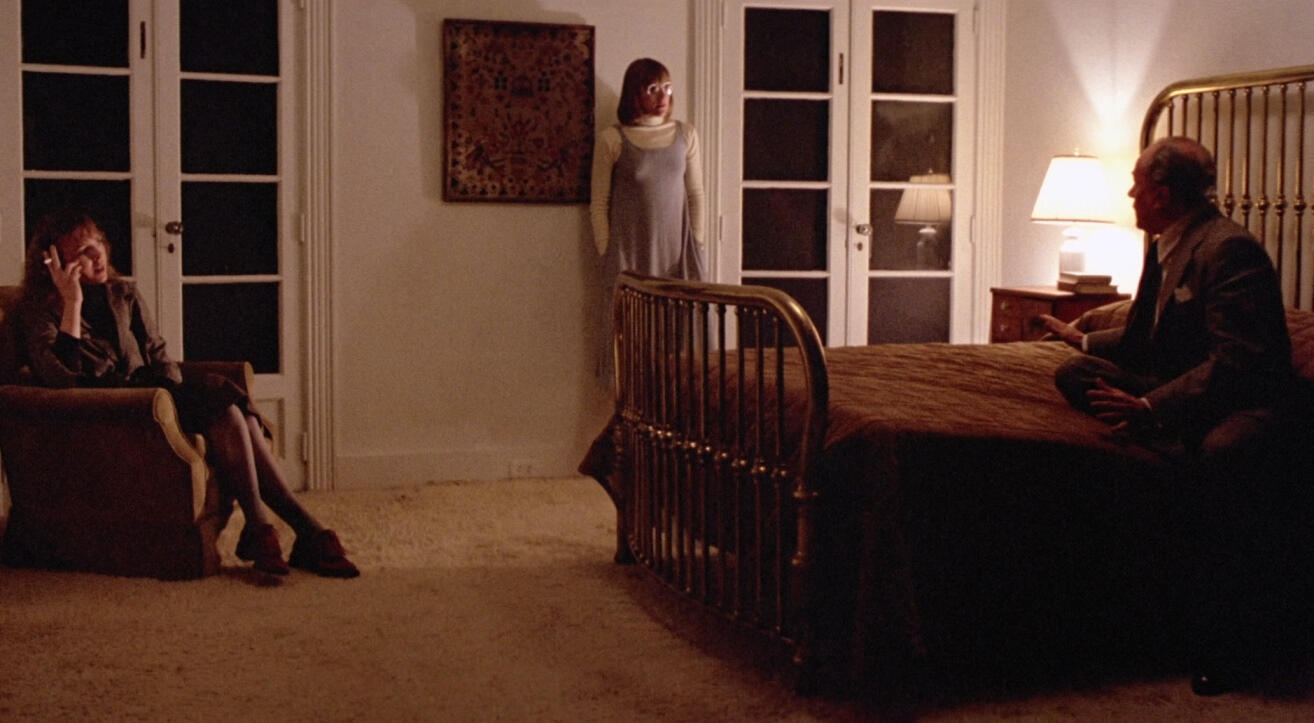
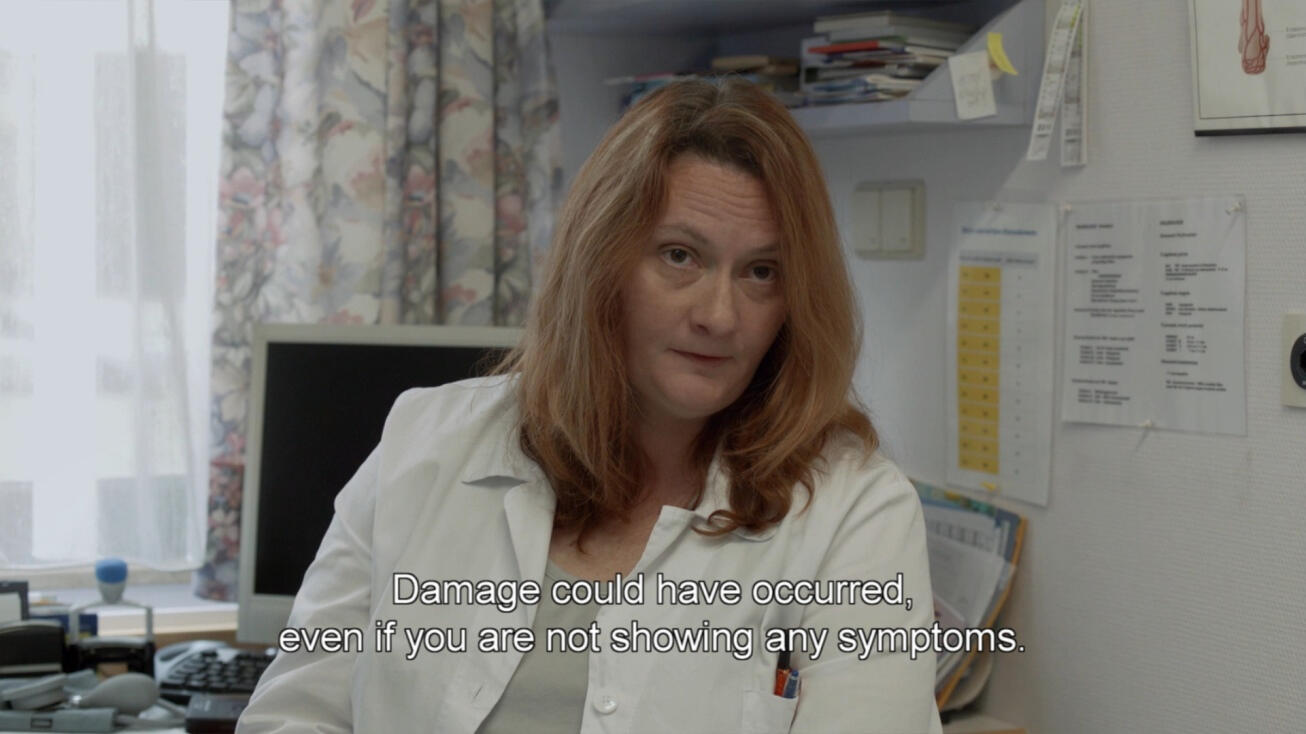
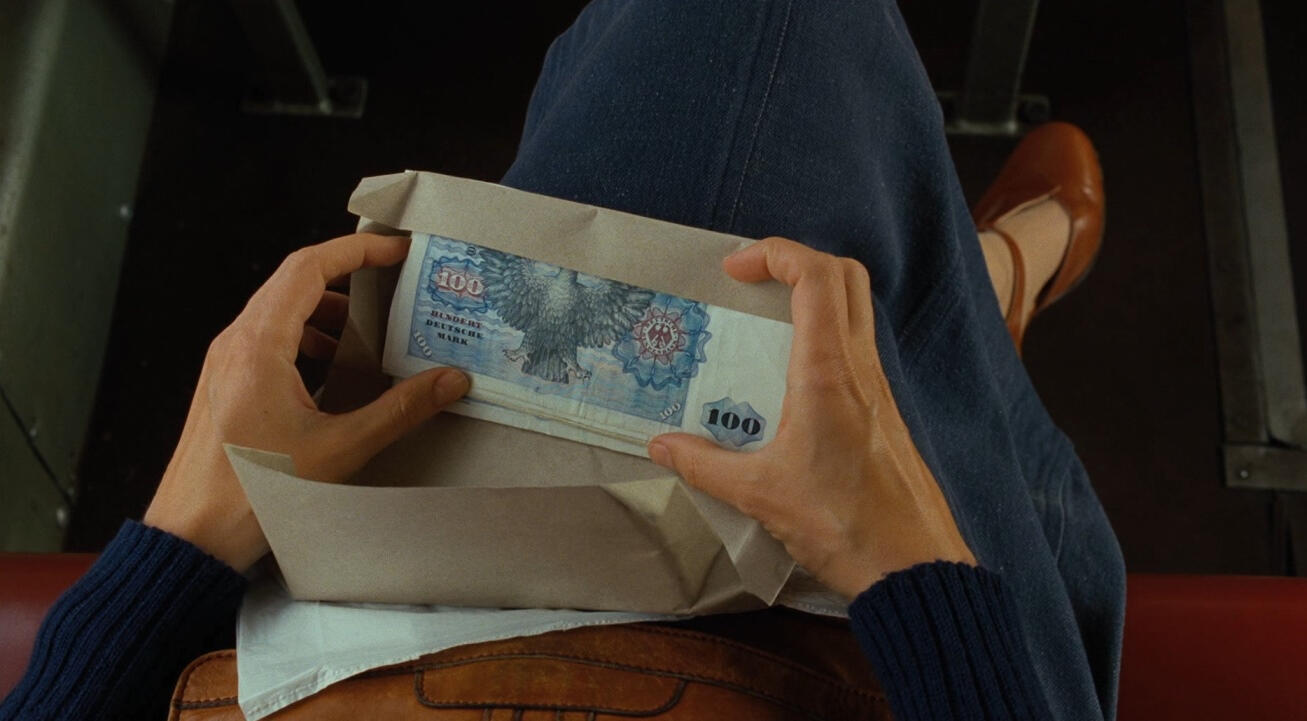
Concept Images
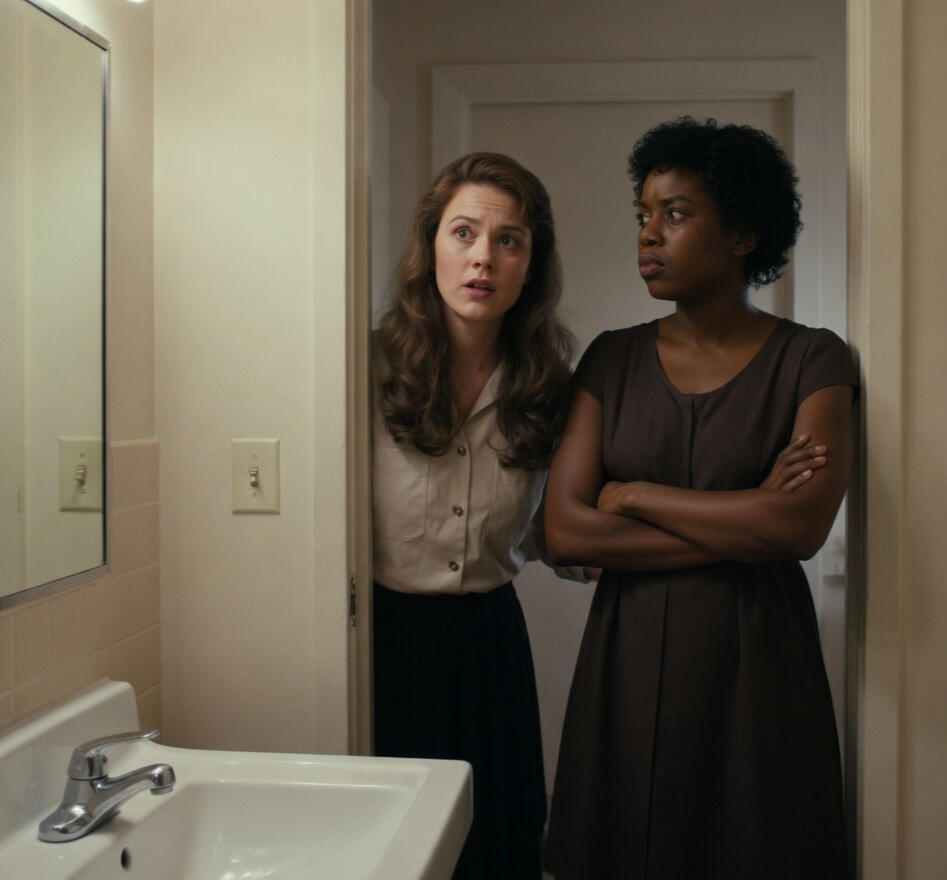
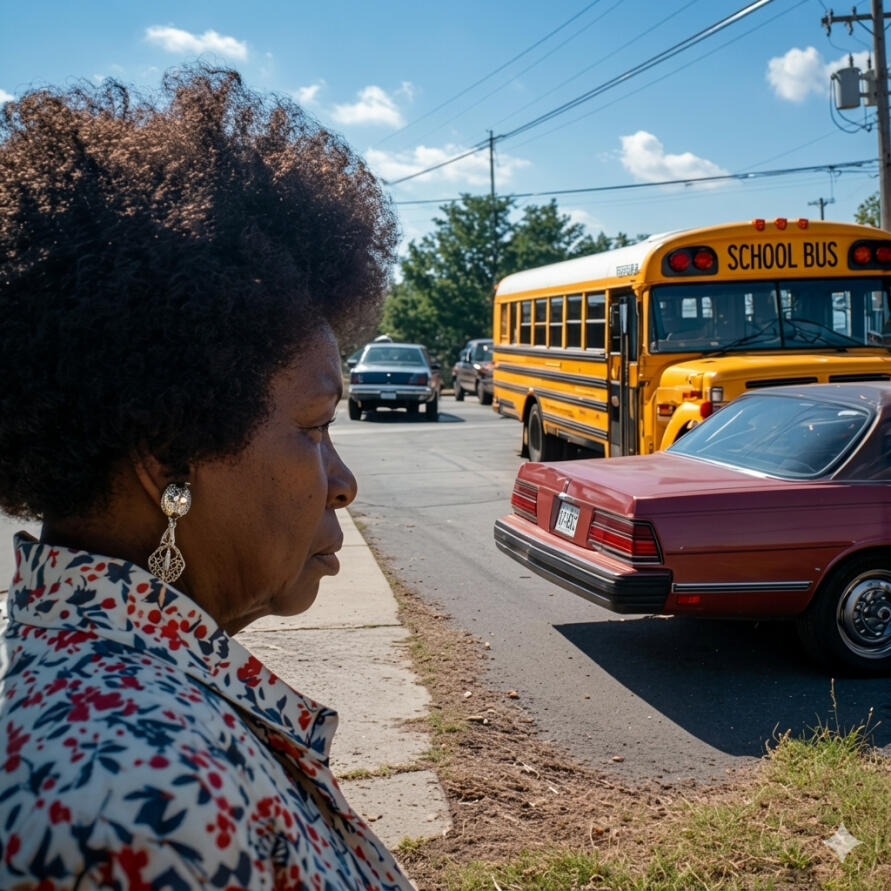
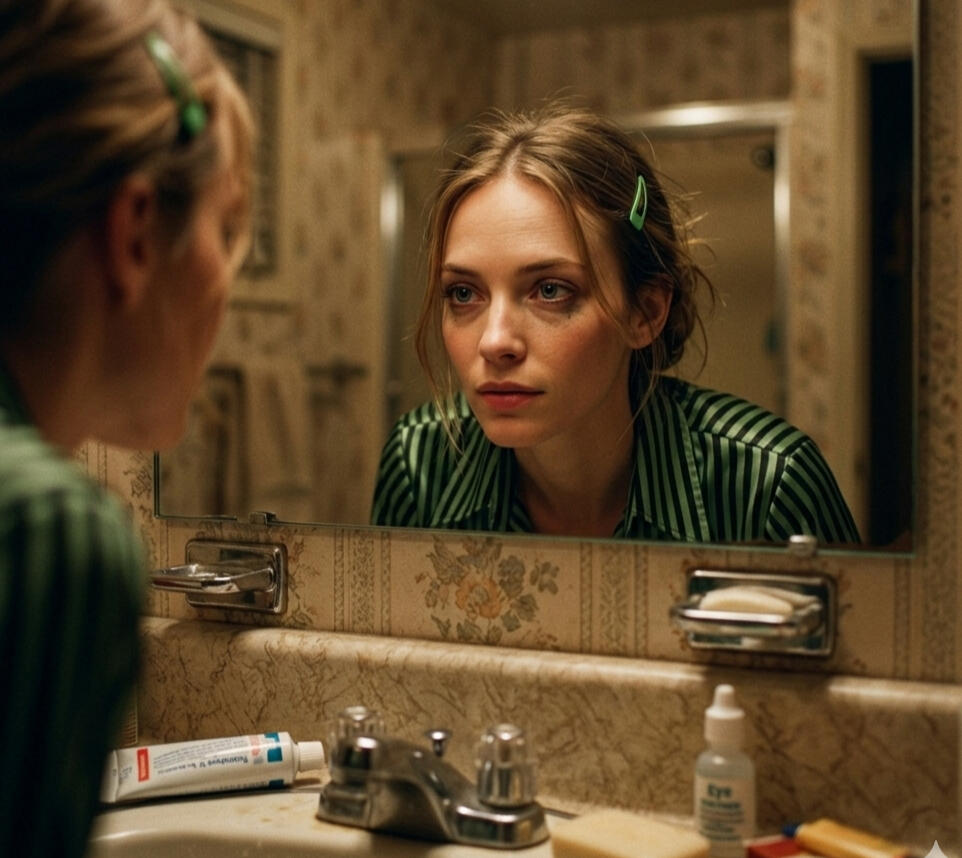
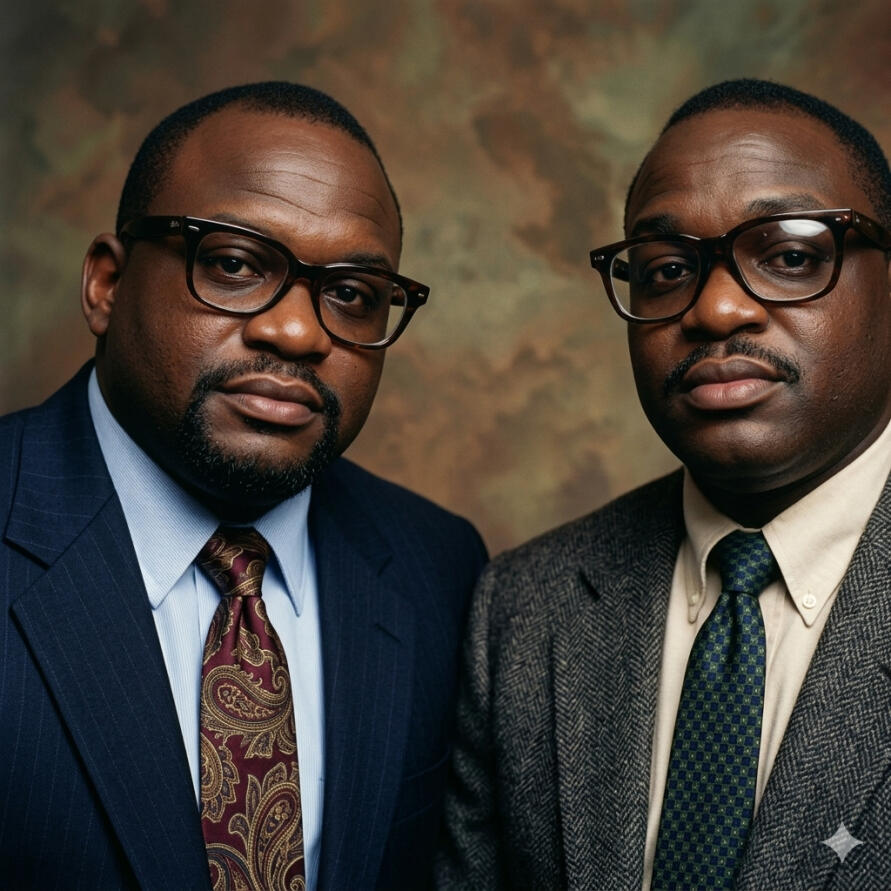
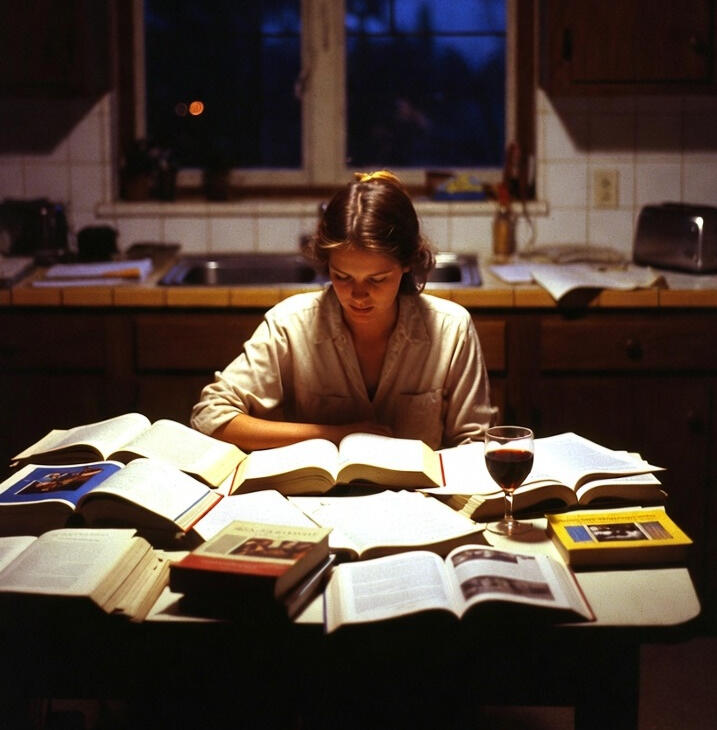
The following AI-generated images are used to give a sense of Lynnhaven’s situations, character looks, mise-en-scène, production design, etc.

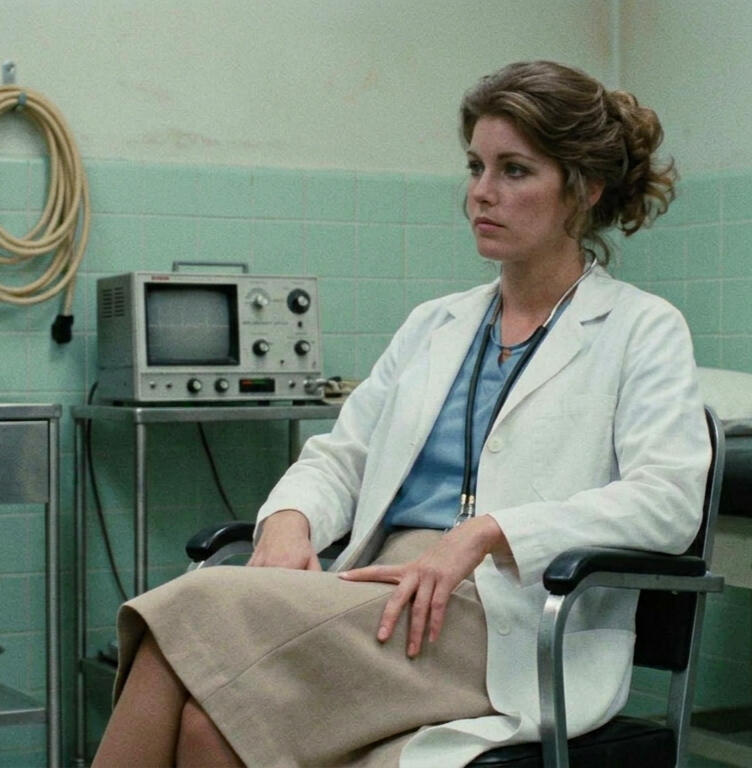
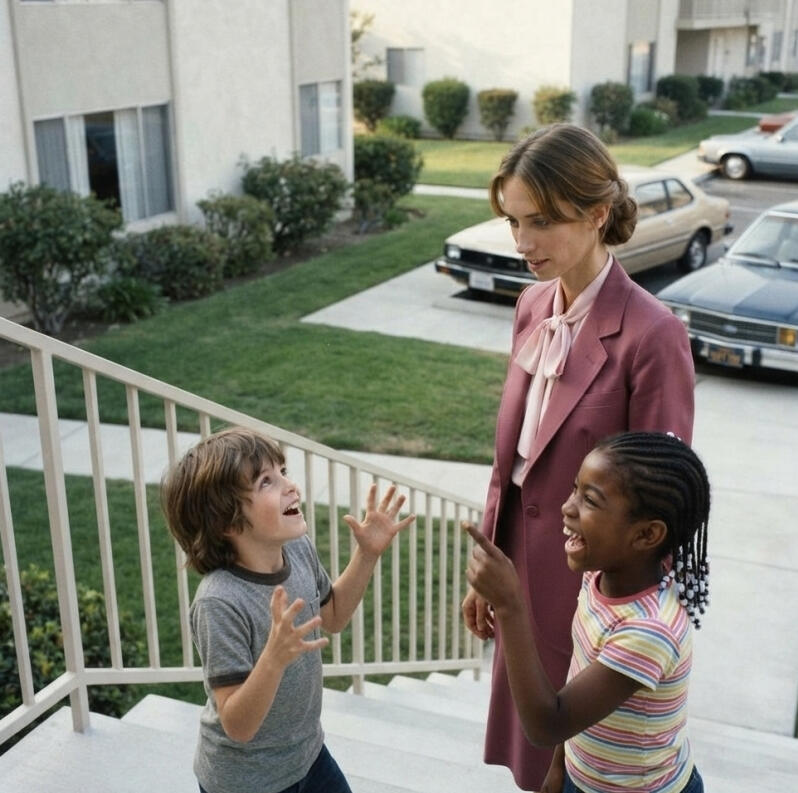
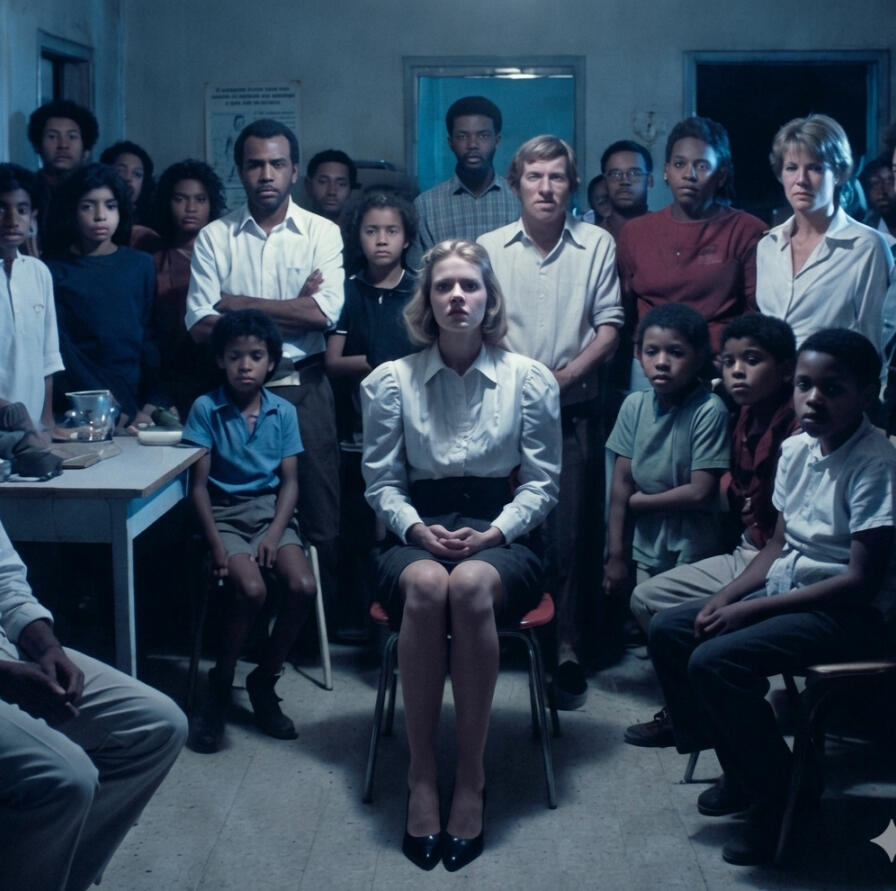
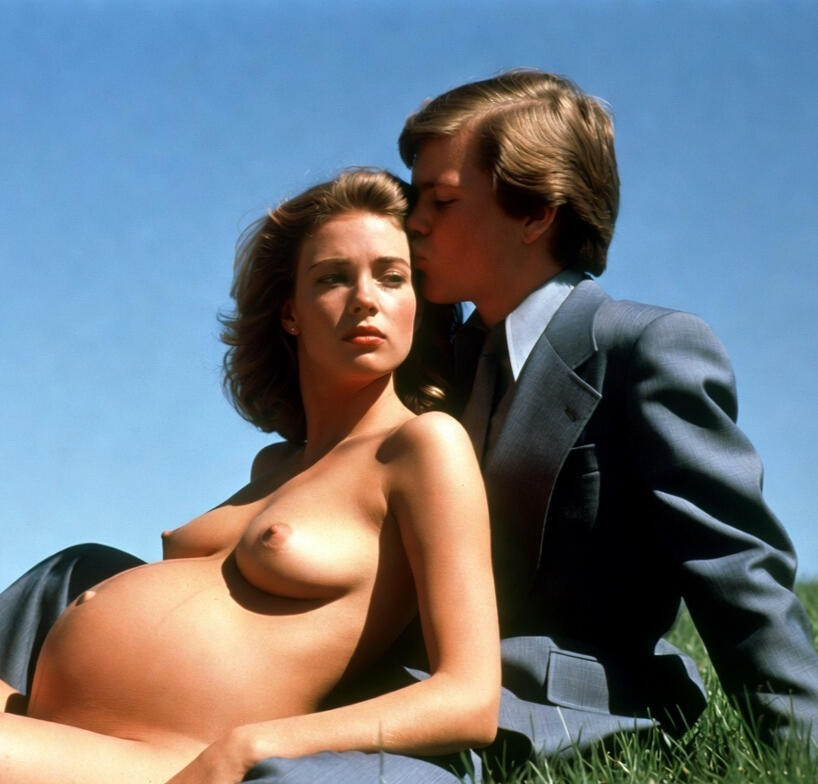
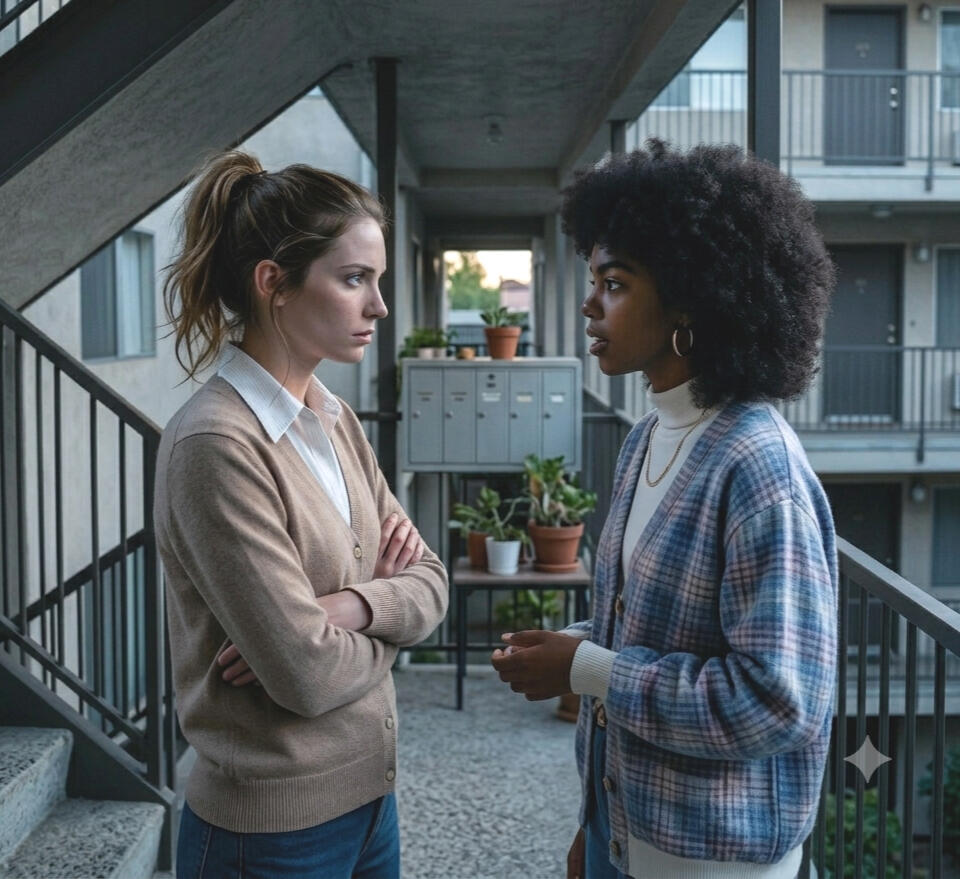
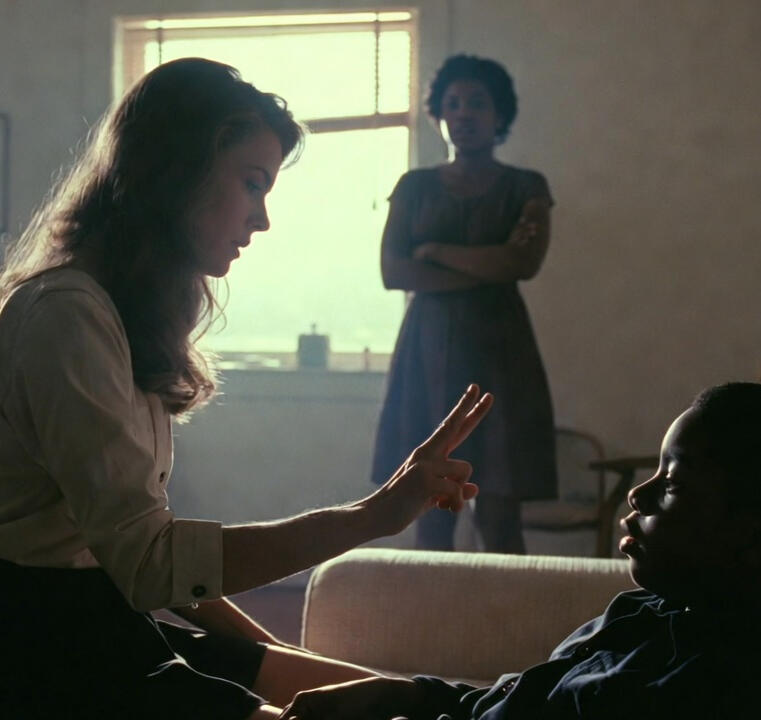
Marketing and Distribution
Our strategies are designed to maximize critical interest and debate (i.e. press), and to capture international and niche audiences.Strategy A: The Prestige Route, by which we cultivate high-end critical attention, secure a competitive North American distribution deal, and leverage festival buzz for global sales.We’ll first target mid-to-upper-tier festivals (SXSW, Tribeca, Fantasia International, and Sitges) that are magnets for critics and buyers. A movie such as ours (offbeat comedy/subversive drama) thrives in the “midnight,” cult, or narrative spotlight sections where audiences are eager for unexpected, boundary-defying stories.What’s more, we’ll hire a boutique festival PR team ten weeks prior to the premiere and, capitalizing on our lead actress’s brand and how our project moves her into “dangerous” professional territory, we’ll seek embargoed reviews with major trade publications to drop before the premiere.Appealing to international and niche markets, we’ll enlist a sales agent with ties to specialty buyers in Europe and Asia before any festival premiere. Crime comedies with sharp dialogue and cynical humor have proved to travel well overseas when packaged as neo-noir Americana. (See the Beaune International Thriller Fest and the Brussels International Fantastic Fest.)We will also, of course, seek a domestic theatrical/VOD hybrid distributor offering a minimum guarantee to cover early investor payouts.Strategy B: The Direct-to-Consumer / Digital-First Hybrid Route, by which we provide secure screeners to high-profile YouTube and social media essayists and movie nerd podcasters—as grassroots online chatter often nowadays drives high-intent VOD traffic for indie features faster than traditional press.Alongside this, we’ll secure-send clips and trailers subtitled in Spanish, German, and French to initiate engagement outside the Anglosphere.More refined targeting will focus on true-crime podcasts and dark humor communities via ad placement on genre-relevant podcasts and specialized Discord servers.The Ask
We’re raising $600,000 to finance Lynnhaven. Investment is structured as partner-level equity positions of $100,000 or more, with proportional equity available for fractional participation.Funds will cover full production through delivery. We are not seeking gap or soft money at this stage.The top sheet will look like this:Above-the-Line
Writer-director, producer, casting director, fees
$45,000Talent
Lead / supporting cast
$200,000Crew
AD, DP, sound, gaffer, grip, and other Richmond-based production staff
$125,000Operations
Equipment rentals, sound package, permits
$75,000Production Design
Locations, sets, and wardrobe
$55,000Post
Editing, color correction, VFX, Foley, sound
$45,000Legal
Insurance, E&O, completion bond, 5% contingency reserve
$55,000Allocating a third of our budget to talent will help secure a “name” actress or indie staple for our lead, whose participation will serve as both a creative anchor and driver for festival positioning and platform acquisitions.Leveraging Richmond-area crew and cost-effective period location styling will maximize production value on screen, giving the movie a “pricey” look without incurring inflated metropolitan travel expenses.30-day housing for our lead actress, other out-of-town talent, and department heads (as needed) will be provided to the production in-kind or below-market-rate by upscale Richmond landlords and relators personally supportive of the director, allowing more partner money to stay with the production itself.Catering and craft services may likewise come at below-market prices thanks to the director's relationships with local restaurateurs.Equity and Recoupment
Partner(s) will collectively, or singly, provide 75% of the total equity (12.5% equity ownership per $100,000 unit). Writer-director, IP-holder, and producing entity ($0 cash contribution) will have 25% equity for underlying intellectual property contribution, script rights, and sweat equity, ensuring aligned incentive throughout the production and distribution processes.